Malagarasi Hydropower Project49.5 MW · Kigoma Region · Tanzania
Kigoma Region · Tanzania · 49.5 MW Hydropower

Powering Progress, Sharing Prosperity

Community & Social Responsibility at the Malagarasi Hydropower Project

The Malagarasi Hydropower Project is building more than a power plant. Clean water, better classrooms, local jobs and safer roads are part of the same commitment to the communities around the site.

Owner: TANESCO Financed by the African Development Bank
346Tanzanian employees on site (4 Oct 2026)
100%local workers with formal employment contracts
141 mdepth of the new community borehole at Igamba
3neighbouring villages: Igamba, Mazungwe and Kazuramimba
78%of the workforce on site is Tanzanian
2primary schools supported
The project

A run-of-river plant for western Tanzania

The Malagarasi Hydropower Project (MHPP) is a 49.5 MW plant on the Malagarasi River in Uvinza District, Kigoma Region. The owner is the Tanzania Electric Supply Company (TANESCO) and the project is financed by the African Development Bank. Once commissioned, the plant will bring reliable grid power to a region that has long lived with shortages.

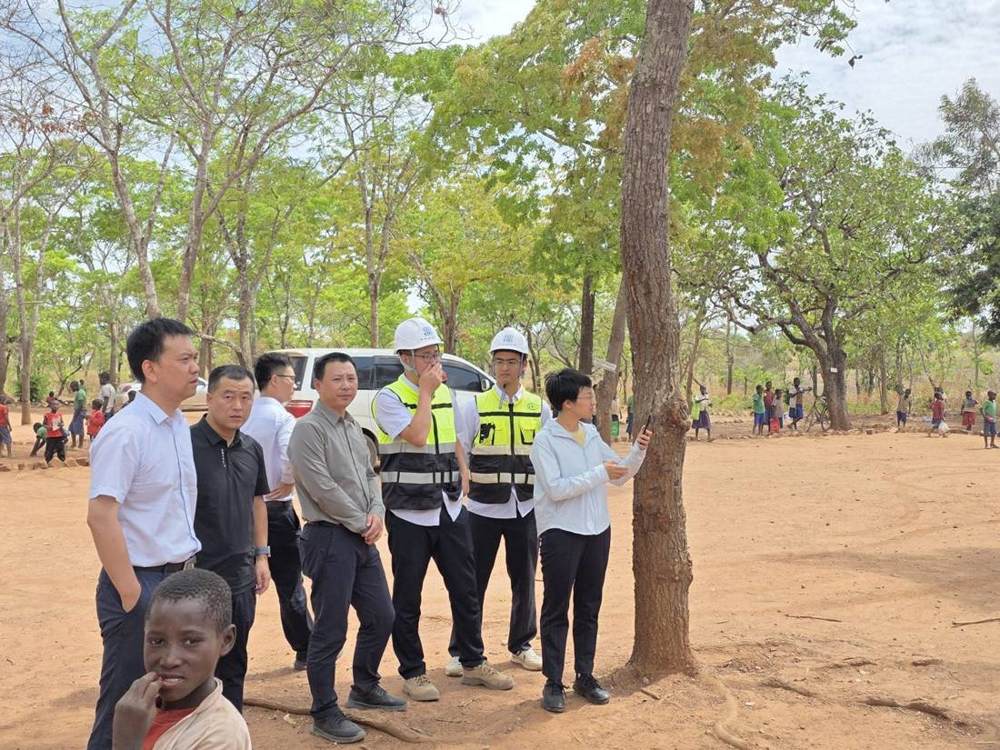
The site sits beside the villages of Igamba, Mazungwe and Kazuramimba. From the outset the project team has treated these communities as the first beneficiaries of the works, not bystanders. A dedicated social department manages community relations, and in September 2026 the project formally submitted its Corporate Social Responsibility Plan to the Employer's Representative, committing the school renovation and community water supply to a written programme.

Where we work

Igamba, on the Malagarasi River

The project stands at Igamba Falls in Uvinza District, Kigoma Region.

Dar es SalaamDodomaMwanzaTANZANIAKigomaUvinzaIgamba · Project siteIgamba · Mazungwe · KazuramimbaLake TanganyikaMalagarasi River50 kmN

Locator map.

The village

Igamba, day to day

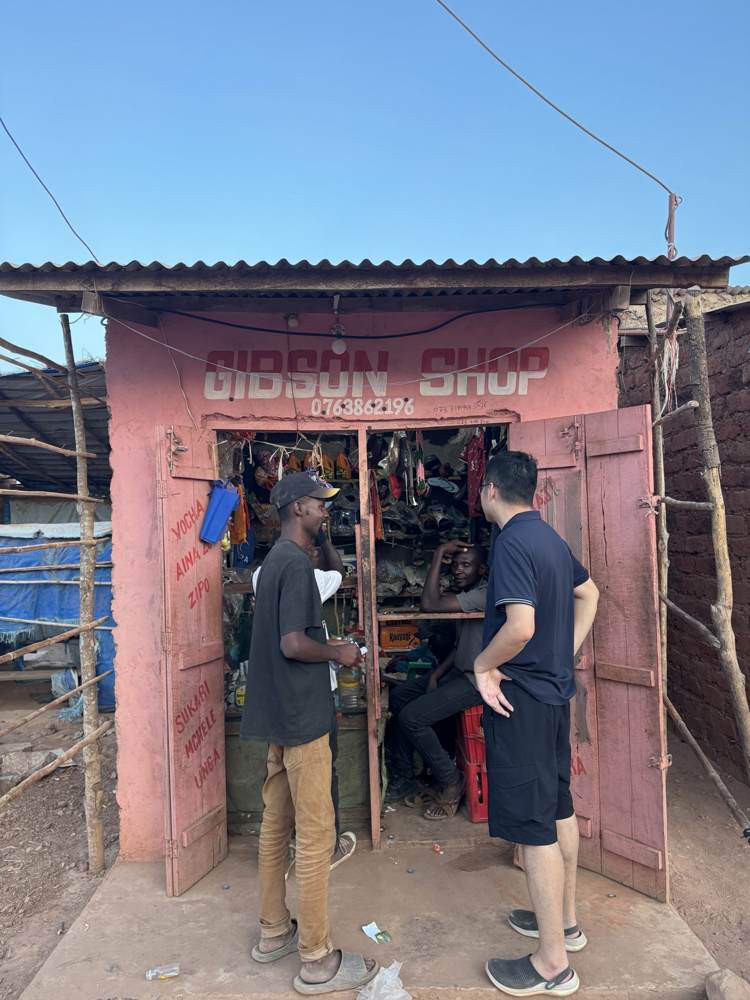
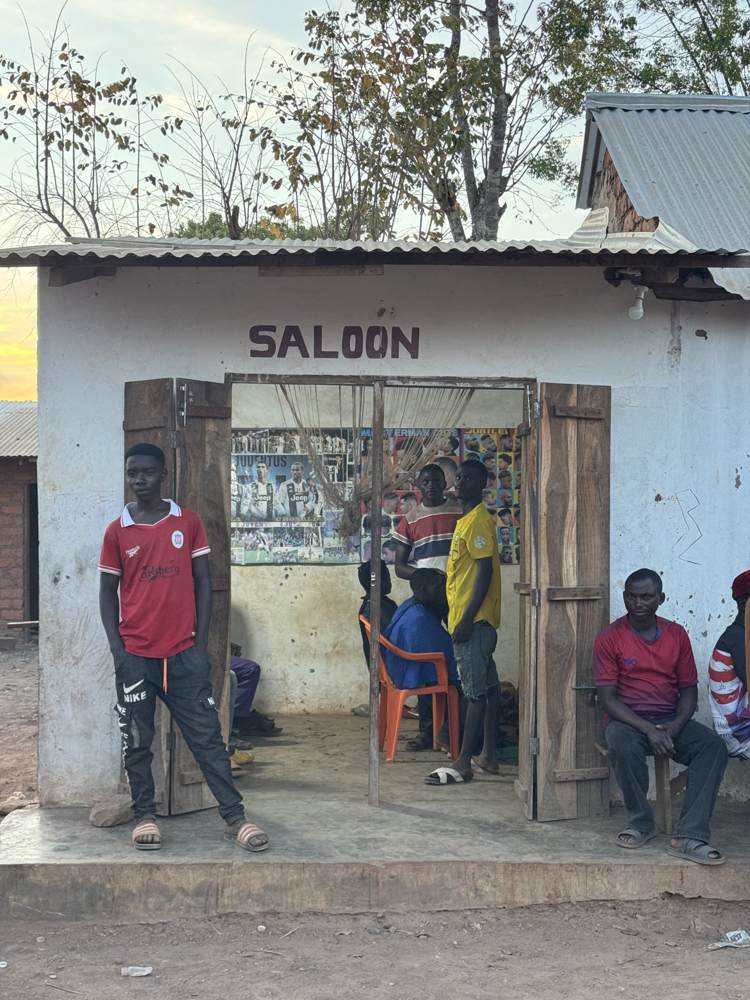
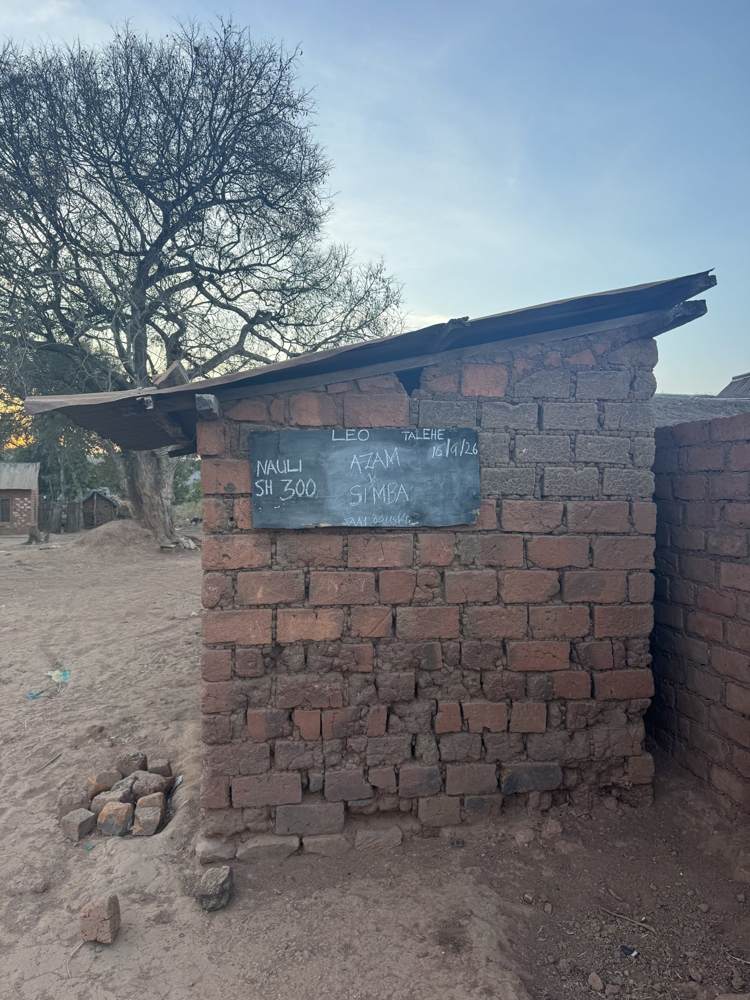
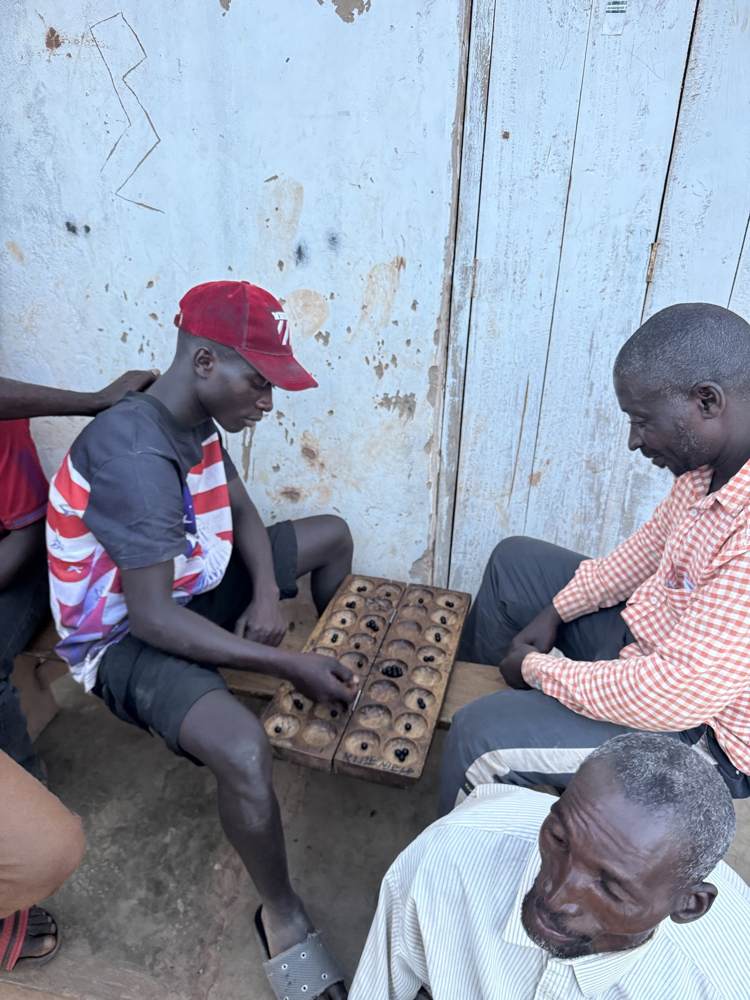
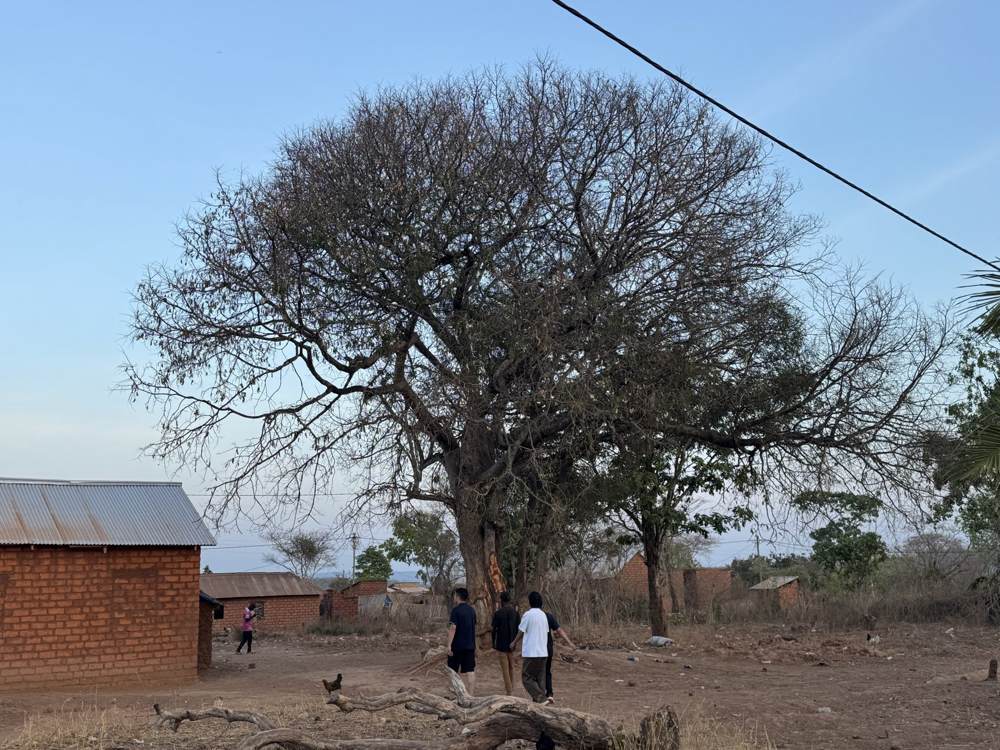
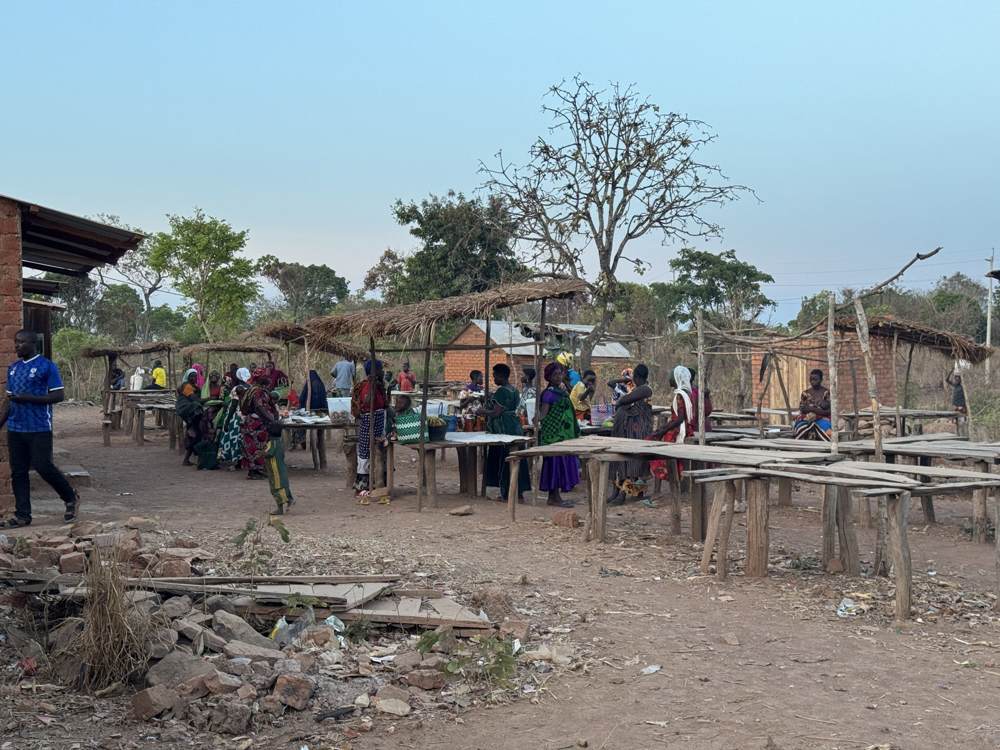
Igamba sits on the bank of the Malagarasi a few kilometres from the works, and the villages around it are where most of the project's Tanzanian colleagues live. Along the red-earth main street there is a general store, a barber's saloon, a video hall, a small restaurant and a produce market; in the afternoon men play bao in the shade of the big tree, and children walk home from Igamba Falls Primary School. These are the neighbours the project works with every day.

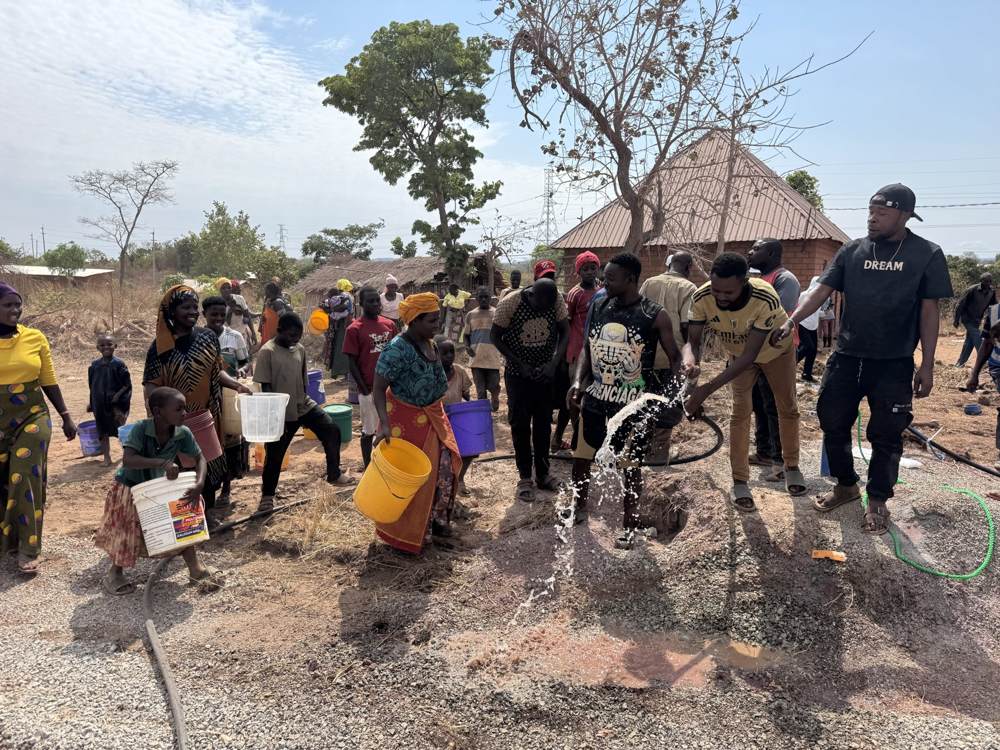
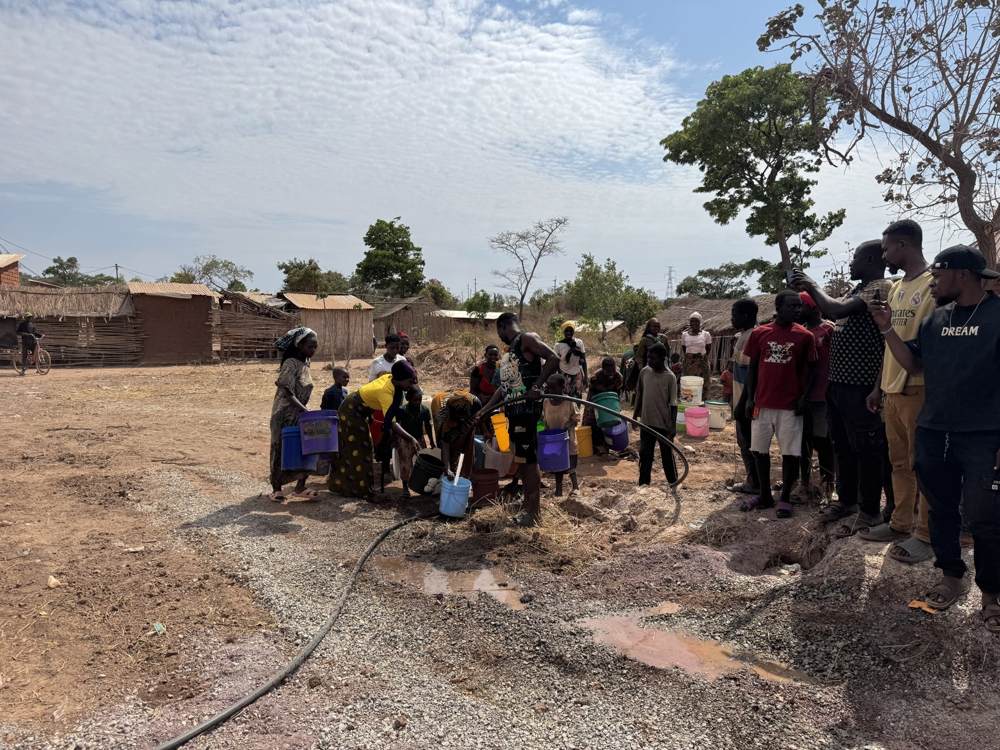
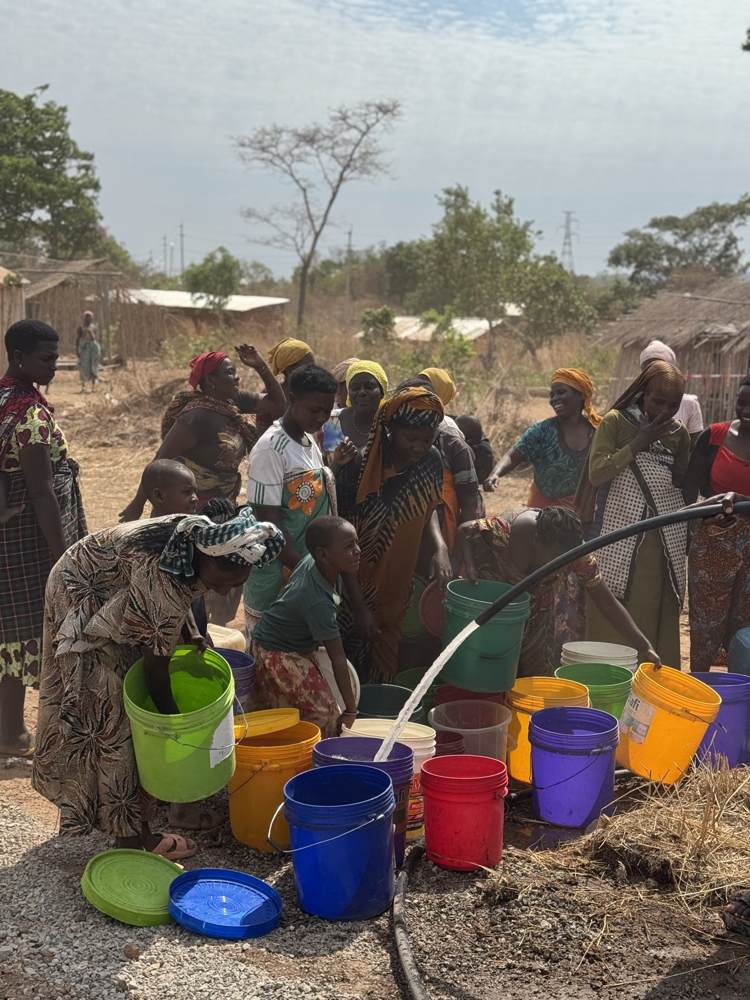
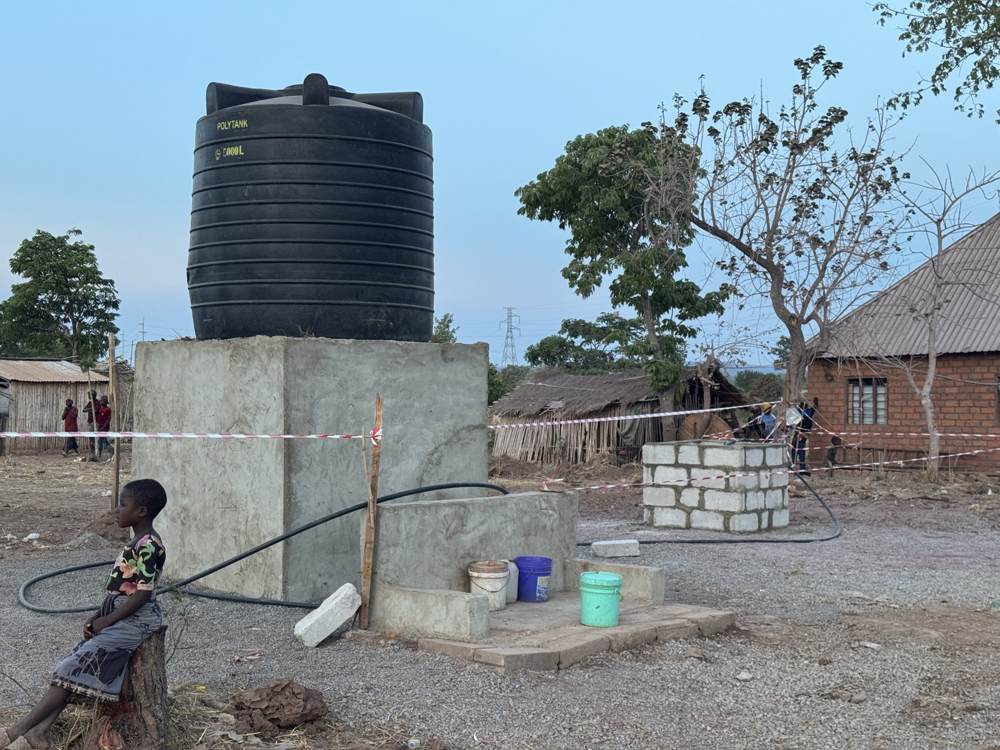
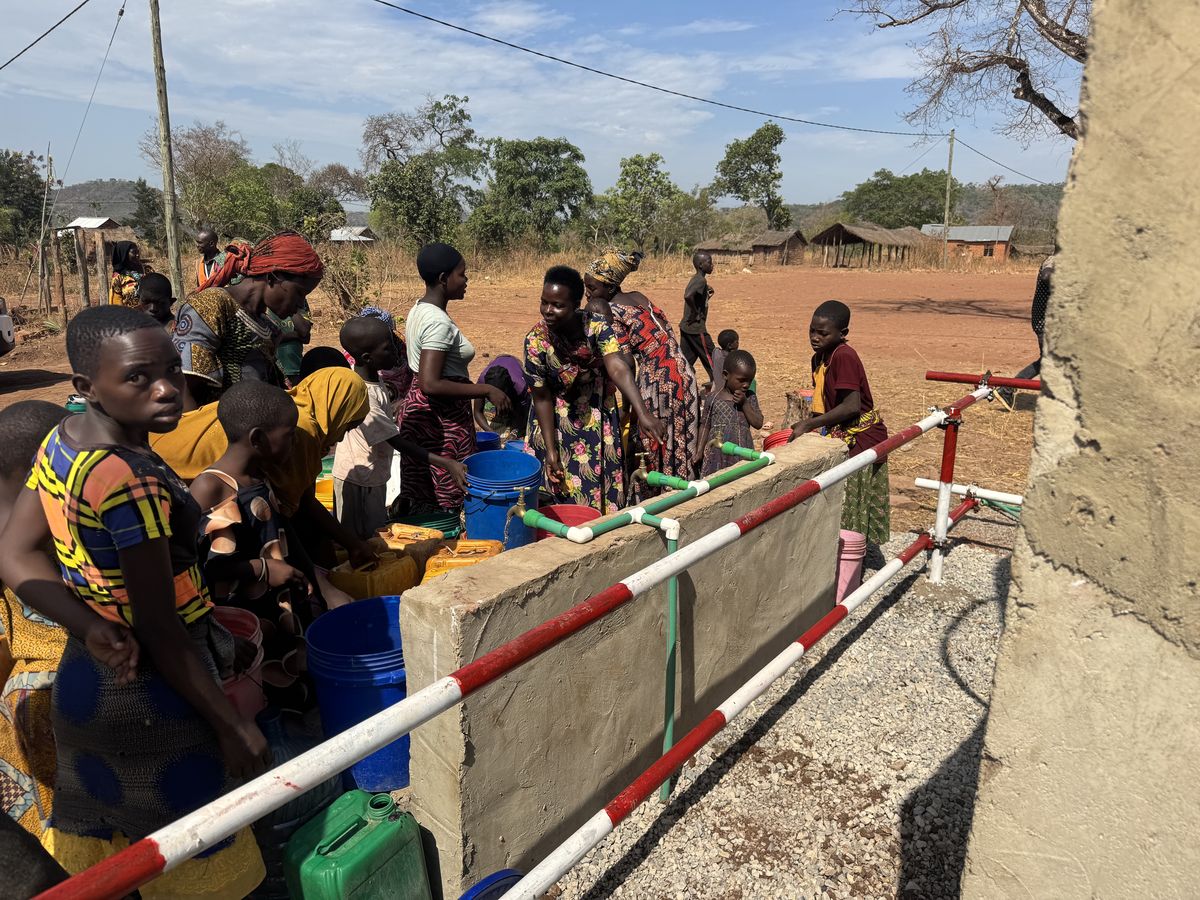
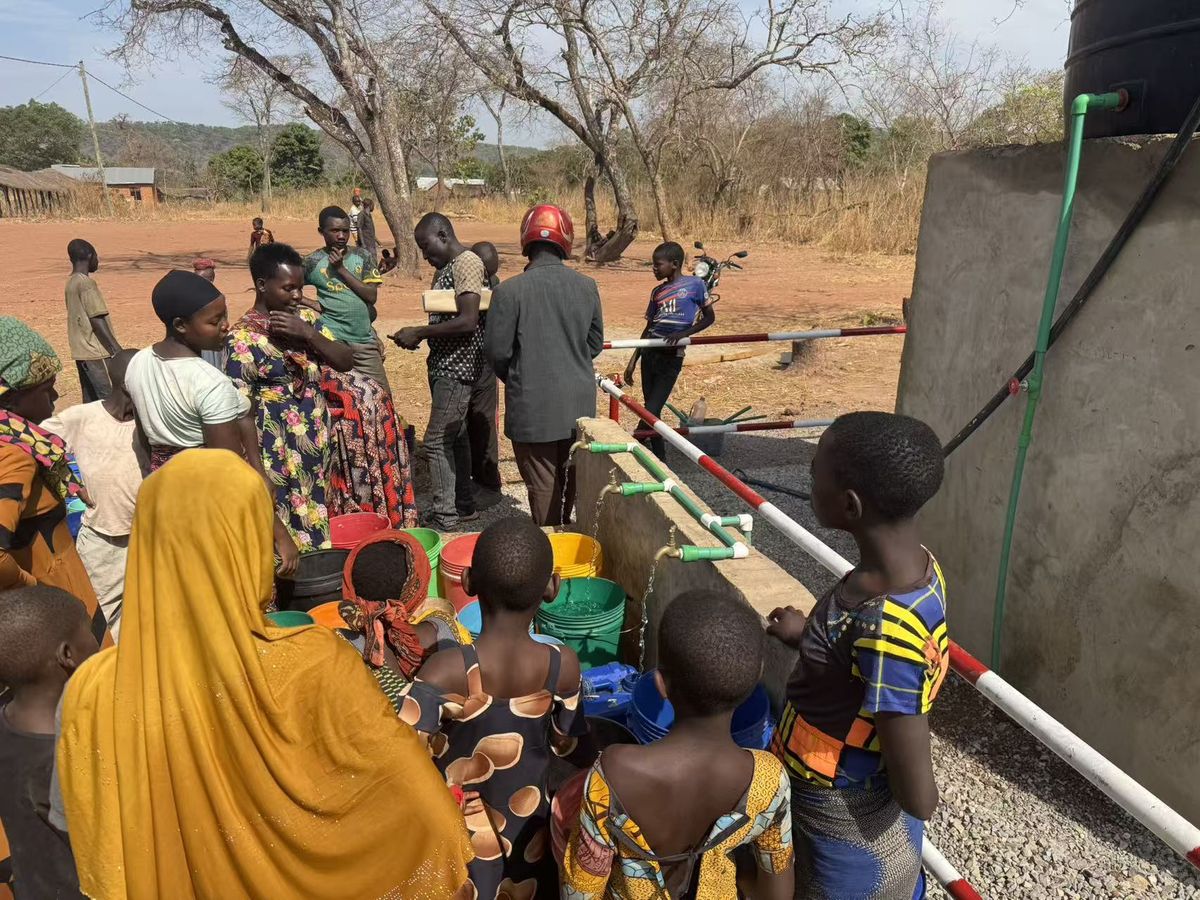
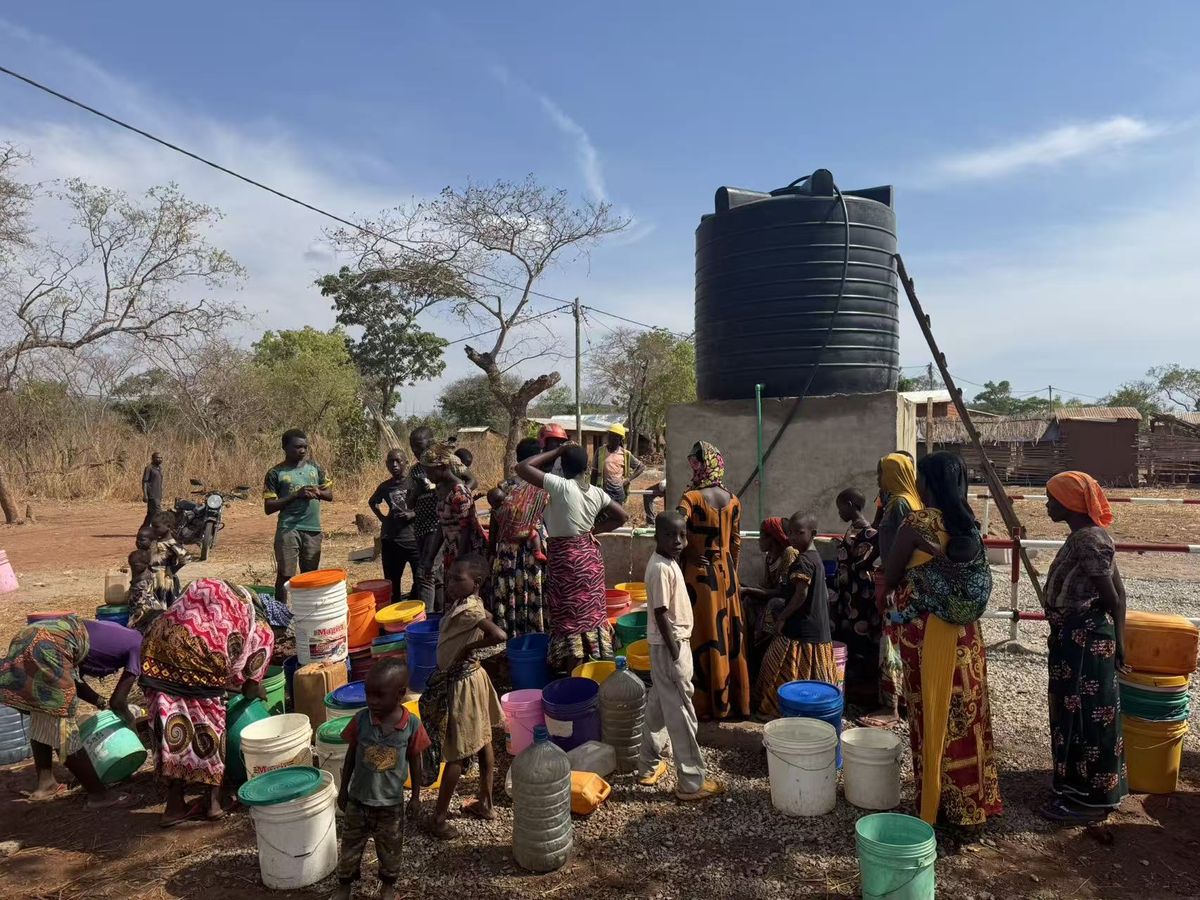
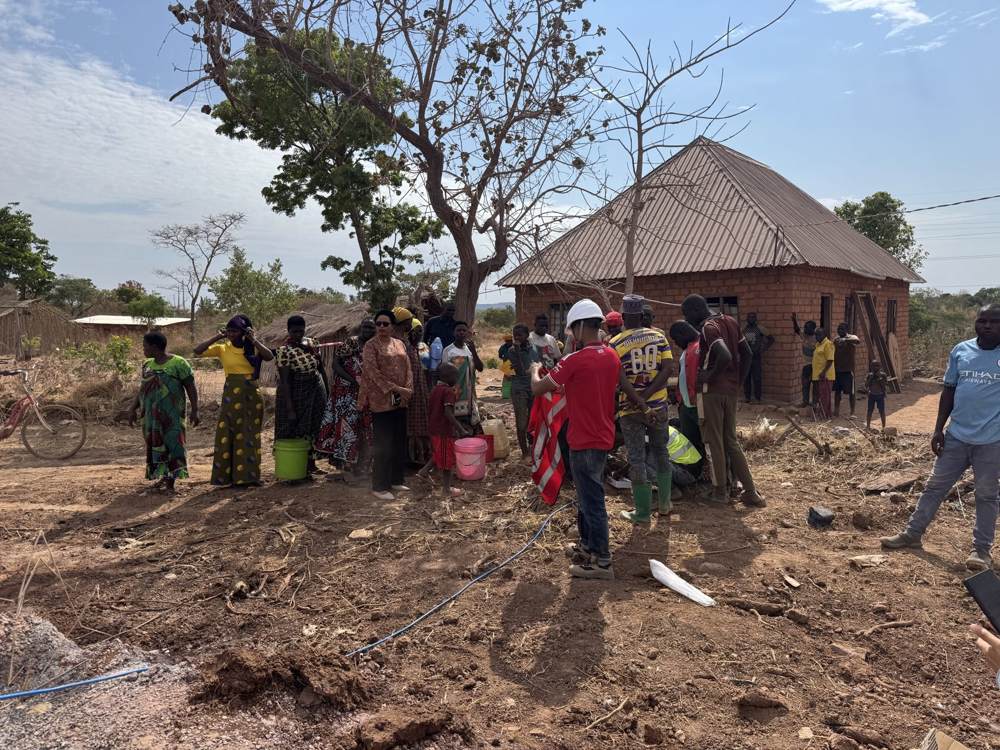
The photographs below were taken in the village on 20 September 2026, two days after water first flowed from the new borehole. The community tank and tap stands now stand in the middle of the hamlet, and fetching water has become a short walk rather than a long one.
Clean water

A new borehole for Igamba hamlet

Igamba hamlet lies on the bank of the Malagarasi, and for generations its households drew water from the river. Construction of the cofferdams and river works affected the villagers' traditional access, and the dry-season walk for water became harder. In May 2024 the project team agreed with the local government to drill a community borehole; the site was chosen together with the village government and announced to all residents.

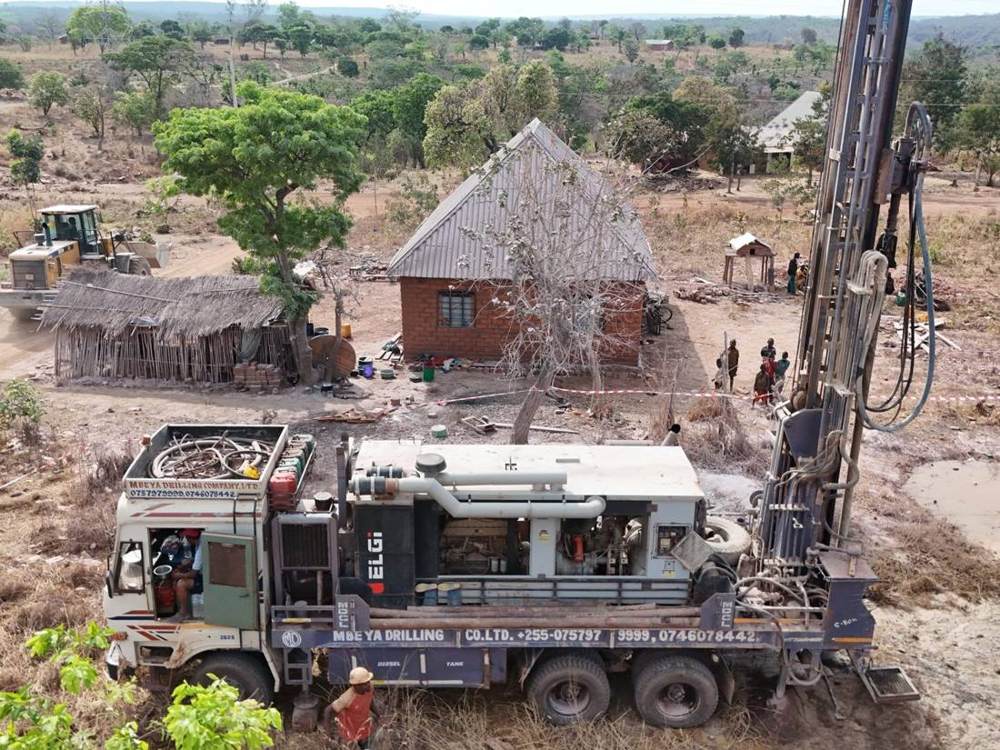
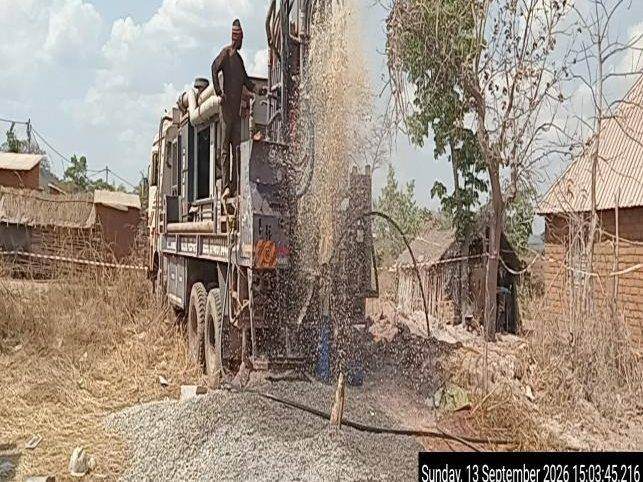
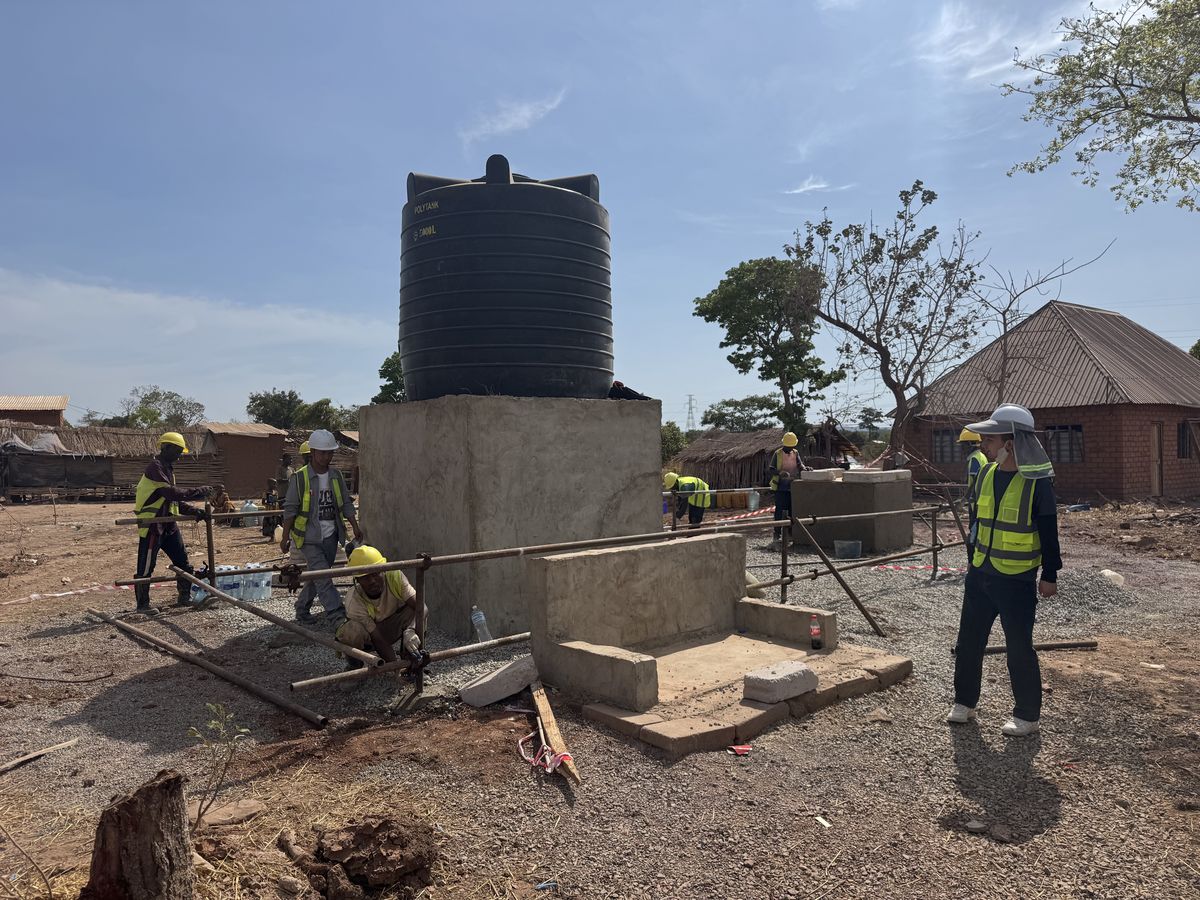
At the end of August 2026 a local drilling company was engaged. The rig arrived in the hamlet in early September and drilled to 141 metres. The full scope runs from drilling and casing to the pump, storage tank and communal tap stand. On 18 September the borehole gave water to the village for the first time, and residents queued with buckets to fill them.

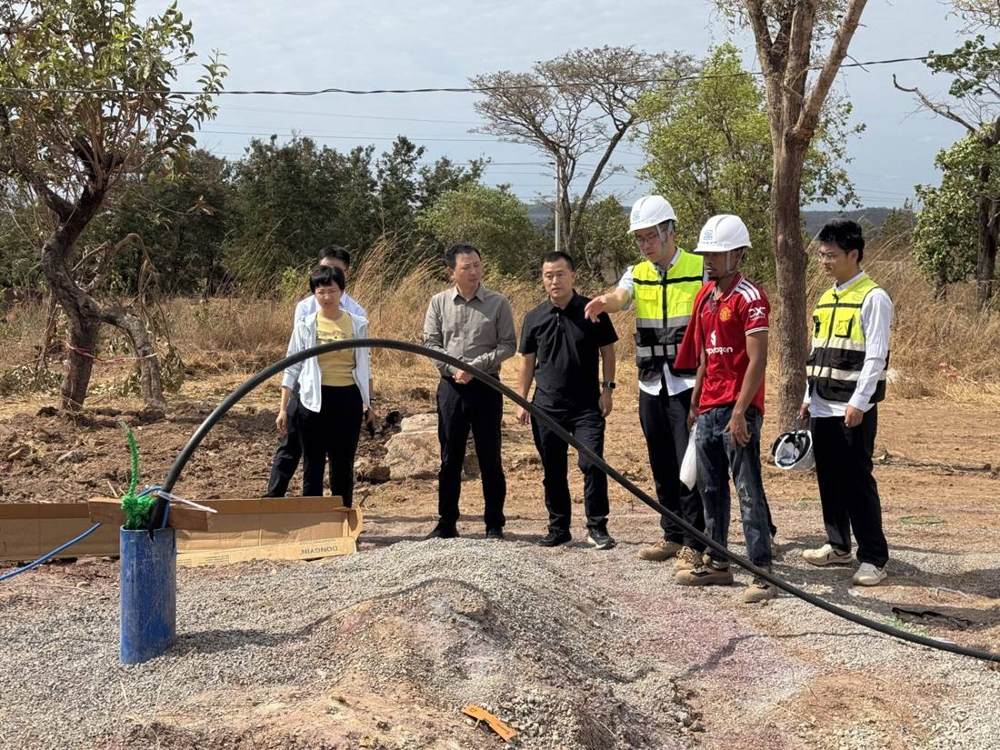
The storage tank and the communal tap stands are now built and in daily use. Two domestic water-use permits from the Lake Tanganyika Basin Water Board are already in place, and water quality will be tested before the system is handed over to the village, with the project's consultant present, under a trilingual handover agreement that sets out long-term operation and maintenance.
  • Commitment to drill a community borehole agreed with the local government.

  • Two domestic water-use permits granted for the Igamba borehole.

  • Drilling rig on site in Igamba hamlet.

  • Borehole reaches 141 m and strikes water.

  • The village draws water from the new point for the first time.

  • Storage tank and communal tap stands in use.

  • Water quality testing and formal handover to the village.

Education

Brighter classrooms at Igamba Falls Primary School

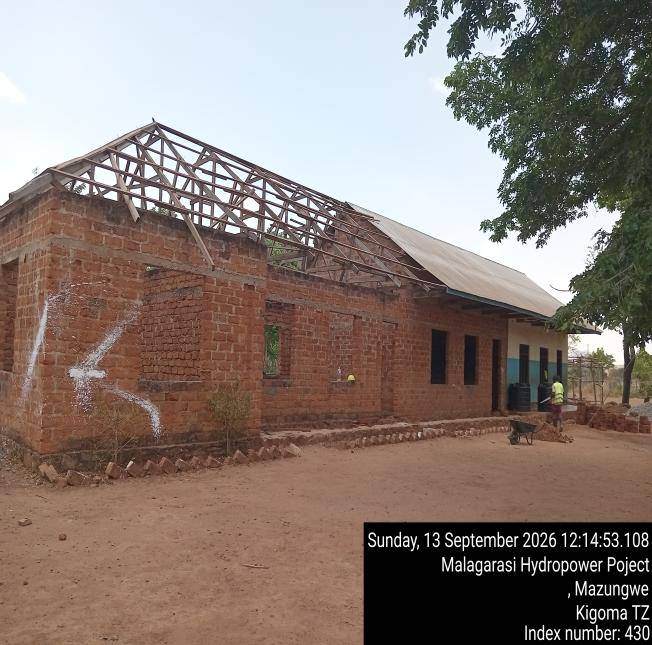
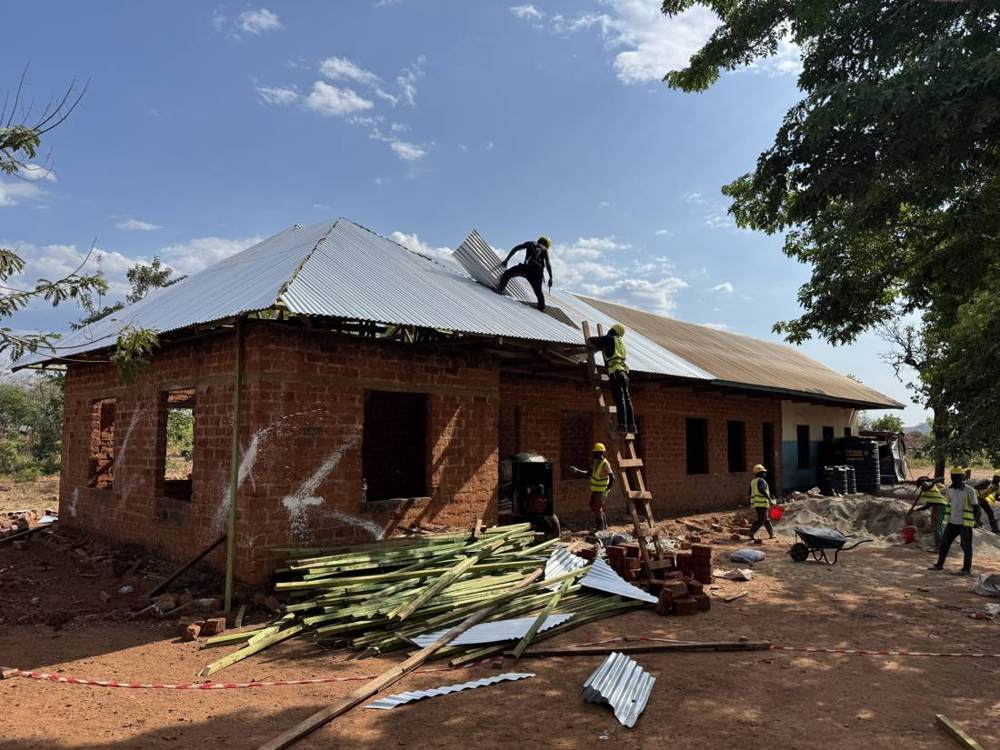
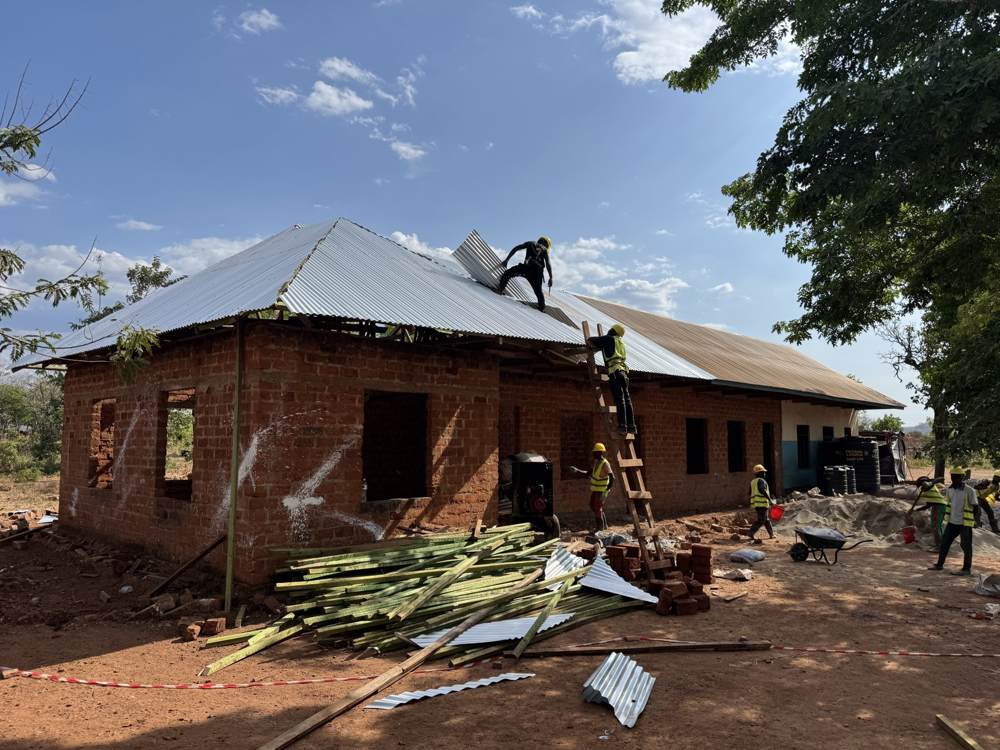
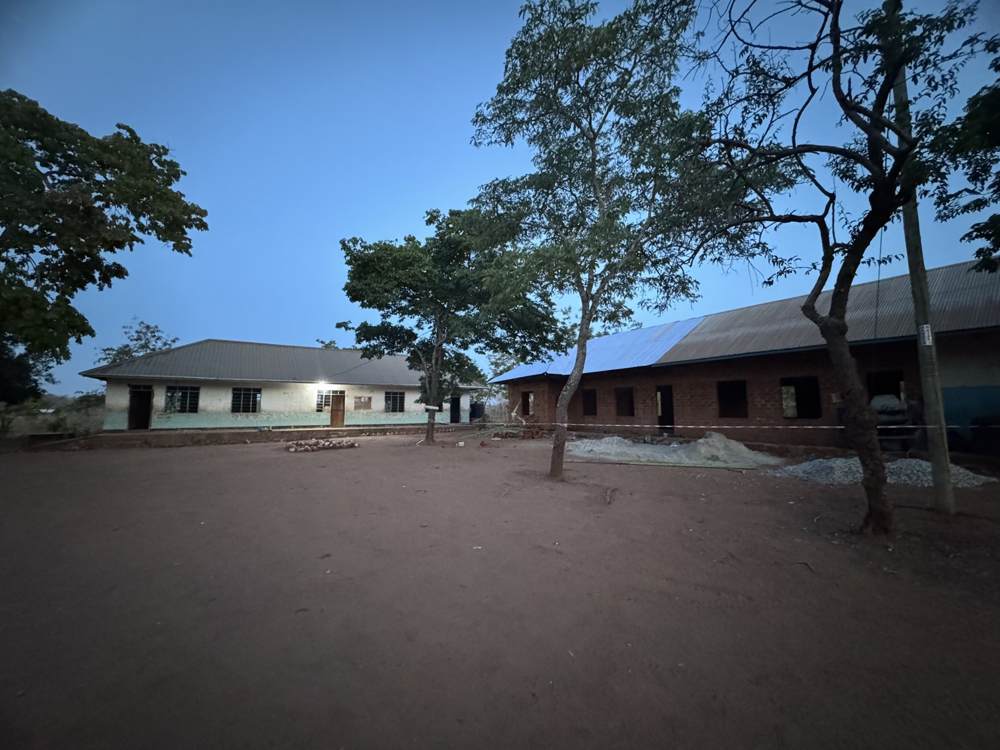
Igamba Falls Primary School is where most children from the villages around the site go to school. Two of its classrooms and the office had stood unfinished for years: no roof, no doors or windows, unusable in the rains. On 7 September 2026 the project team mobilised a crew to complete them: roofing, floor slabs, doors and windows, plastering, gypsum cornices and painting. The new roof was finished on 19 September, and the remaining works are progressing on schedule.

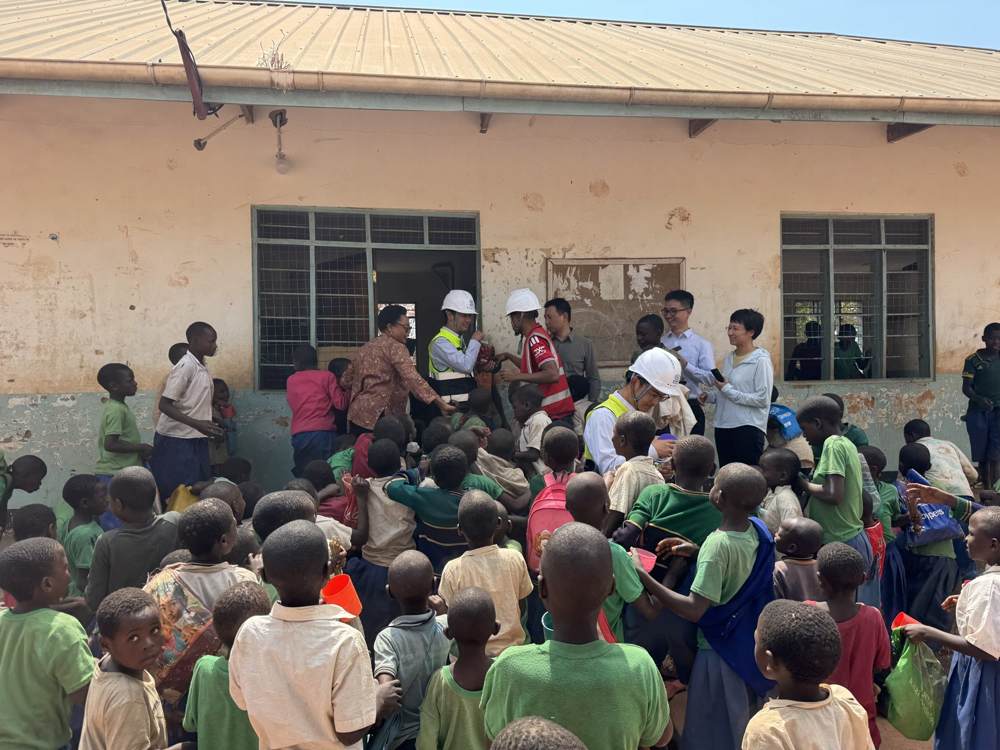
Alongside the buildings, the school playground is being cleared of stumps and rubble so pupils have a safe place to play, and a consignment of stationery and sports equipment will be handed over with the classrooms once the works are complete, with the project consultant invited to witness the handover.

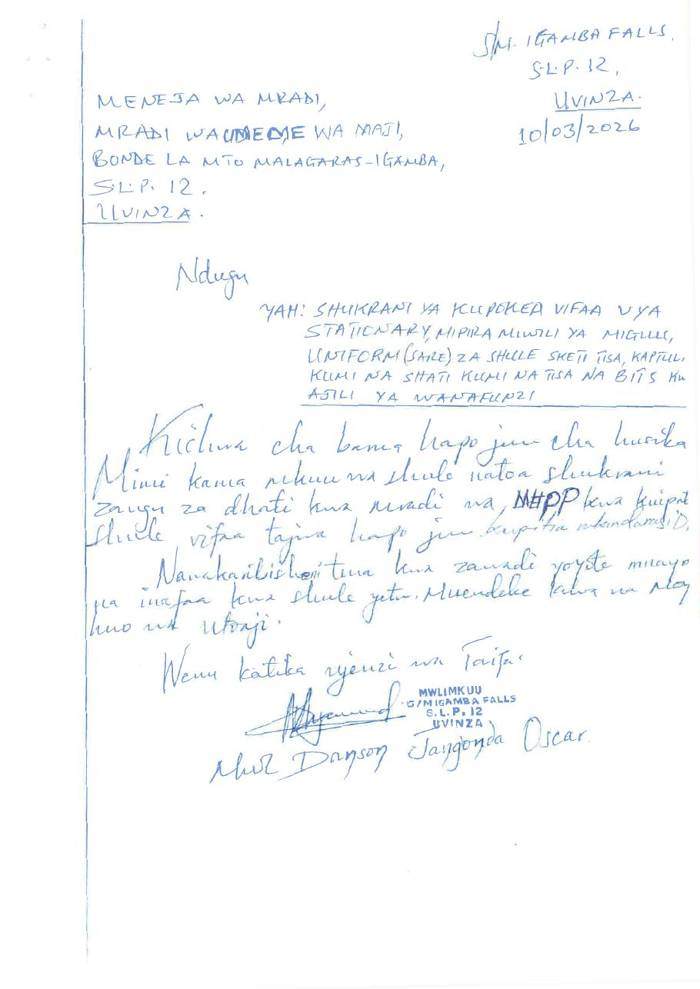
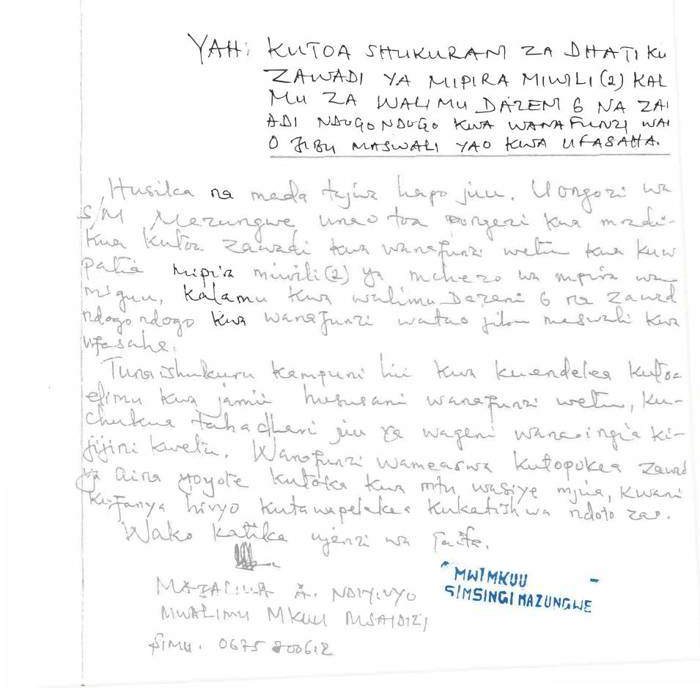
Support for local schools began earlier. In March 2026 the project delivered stationery, footballs and school uniforms (nine skirts and nineteen pairs of shorts) to Igamba Falls Primary School, and footballs, pens for teachers and small prizes for pupils to Mazungwe Primary School, together with child-safety sessions on how to deal with strangers. Both schools wrote to the project to say thank you.

Once the renovation is handed over, the project plans to give pupils schoolbags, clothing, sports goods and books.

Handwritten letter of appreciation from Igamba Falls Primary School
Letter of thanks, Igamba Falls Primary School, 10 March 2026
Handwritten letter of appreciation from Mazungwe Primary School
Letter of thanks, Mazungwe Primary School, 10 March 2026
"You are warmly welcome again to provide any other support… Please continue with this generous spirit of giving."Head Teacher, Igamba Falls Primary School
BeforeClassroom block without a roof before renovation
Roofless classrooms and empty window openings, 13 September 2026
AfterClassroom block with new corrugated roof being finished
New roof complete, 19 September 2026
Volunteers

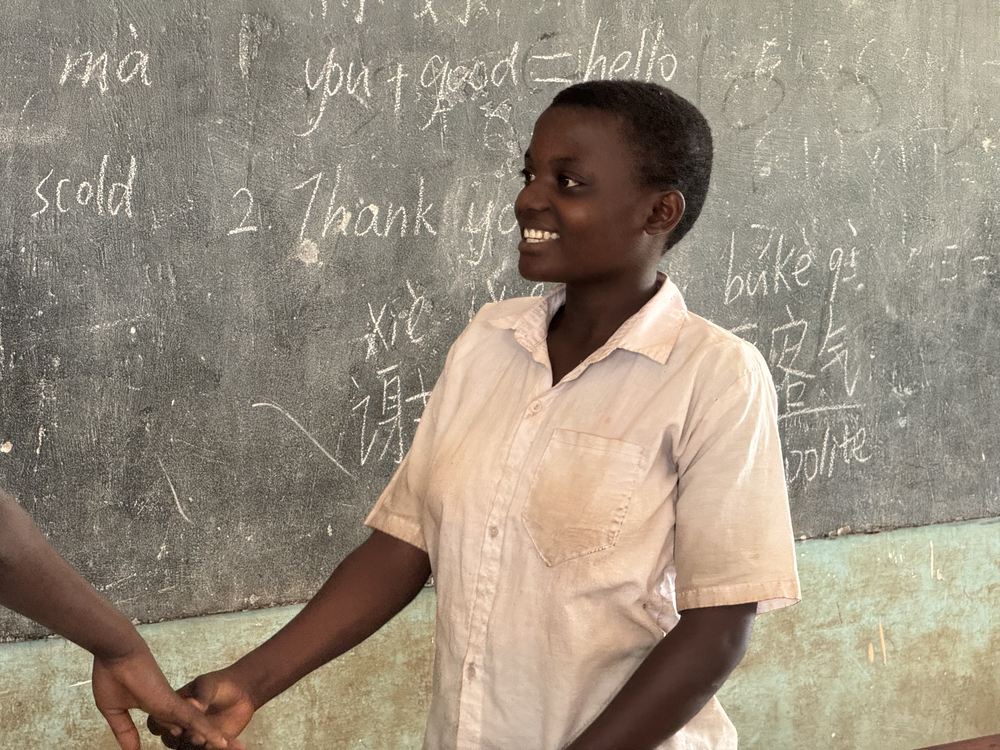
Chinese lessons at Igamba Falls Primary School

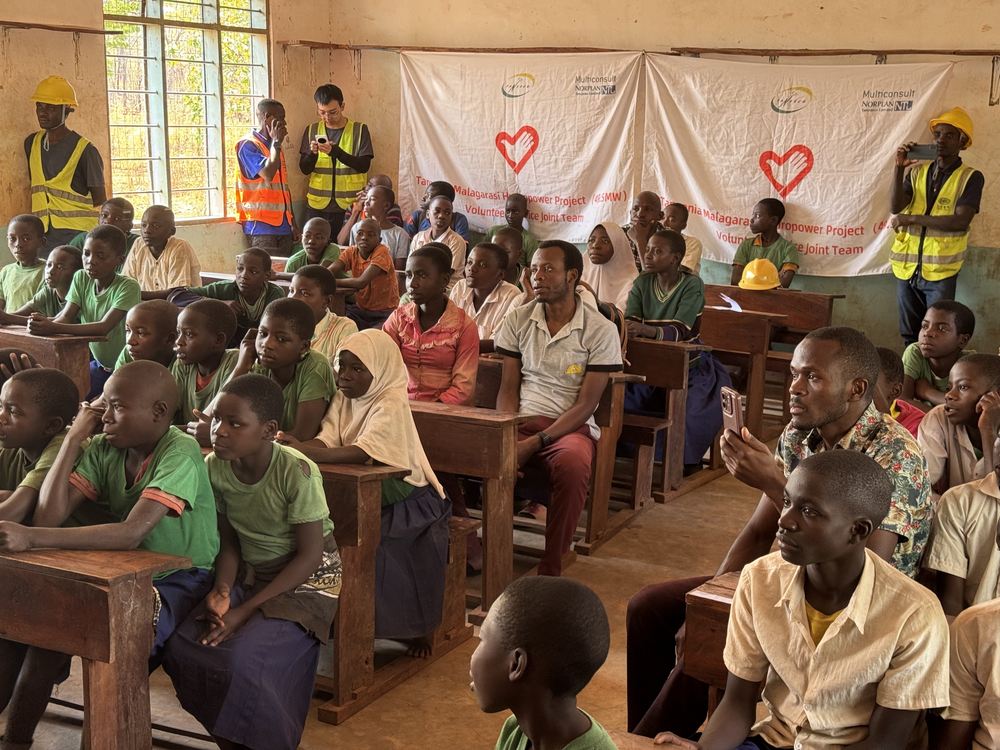
In September 2026 the project's young Chinese employees set up a youth volunteer team. Its first initiative is a free lesson at Igamba Falls Primary School, planned every two weeks, covering Chinese language and culture and how a hydropower station turns the river's energy into electricity.

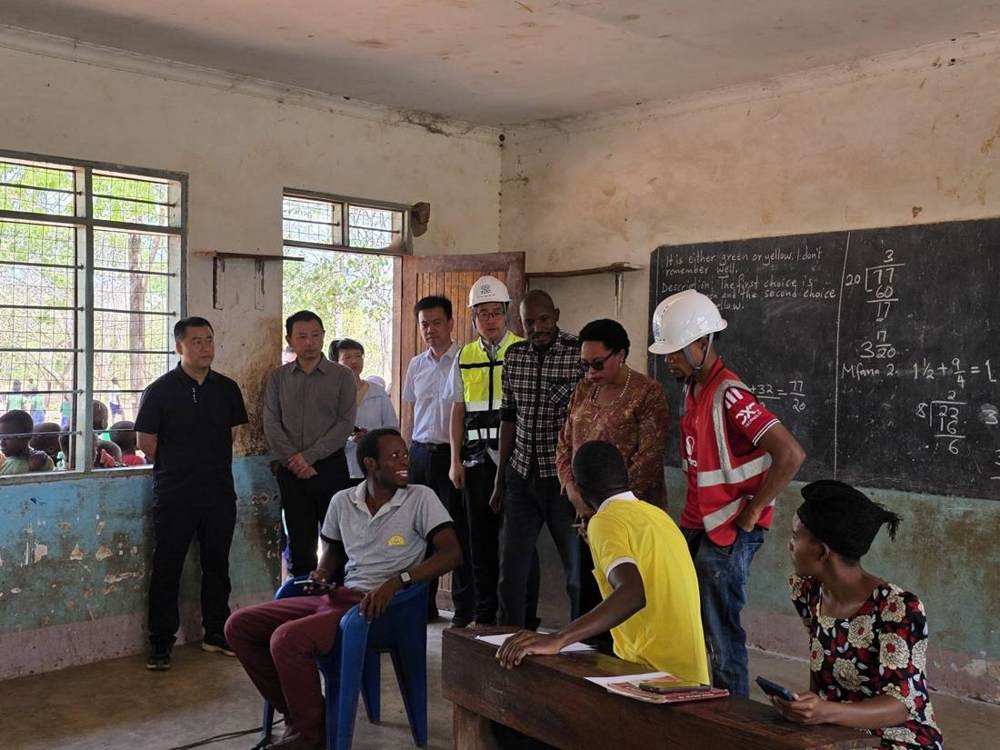
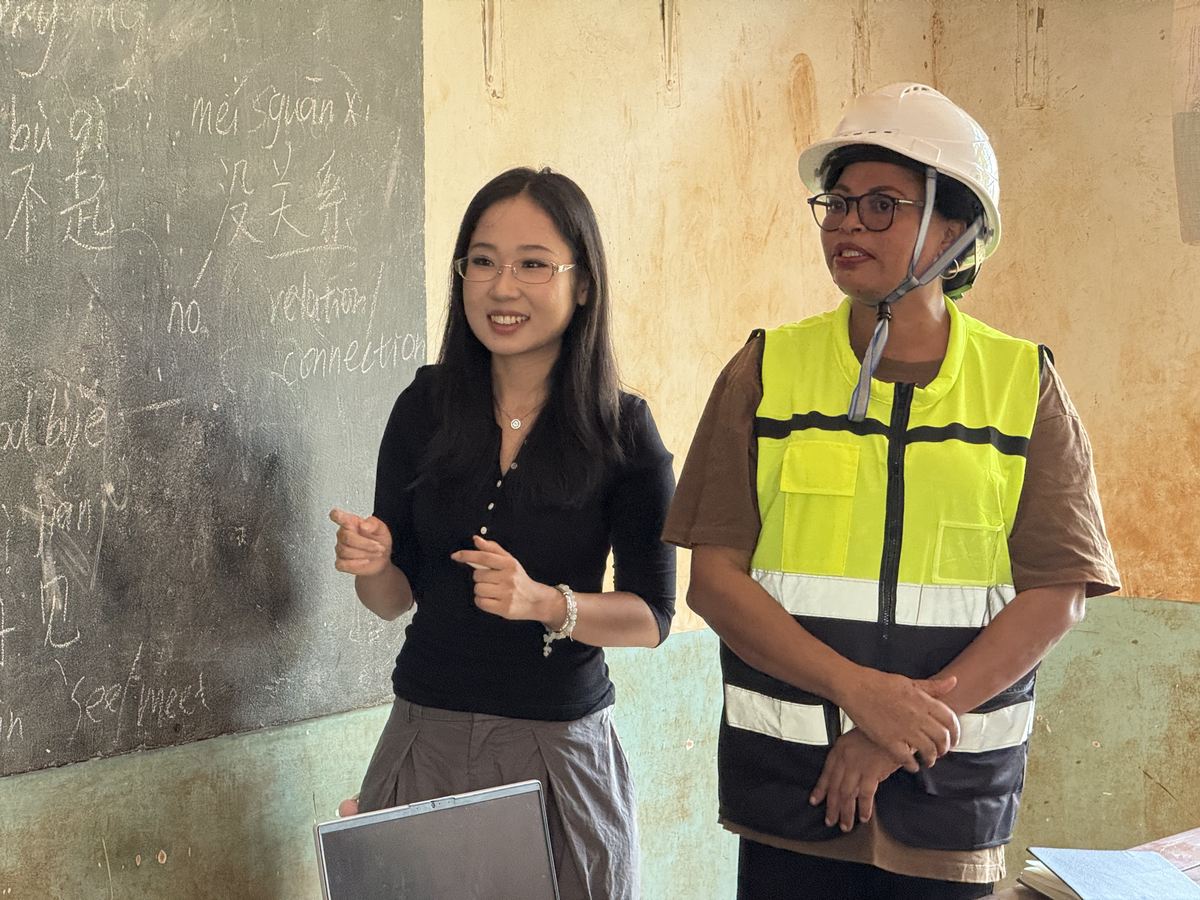
The first lesson took place on 2 October 2026. Volunteer teacher Ms Lan, from the project team, introduced everyday Chinese — nǐ hǎo (hello), xièxie (thank you), duìbuqǐ (sorry), méi guānxi (never mind) and zàijiàn (goodbye) — writing each phrase on the board in characters, pinyin and English. Mrs Dorice, a Tanzanian member of the project staff, assisted as teaching assistant.

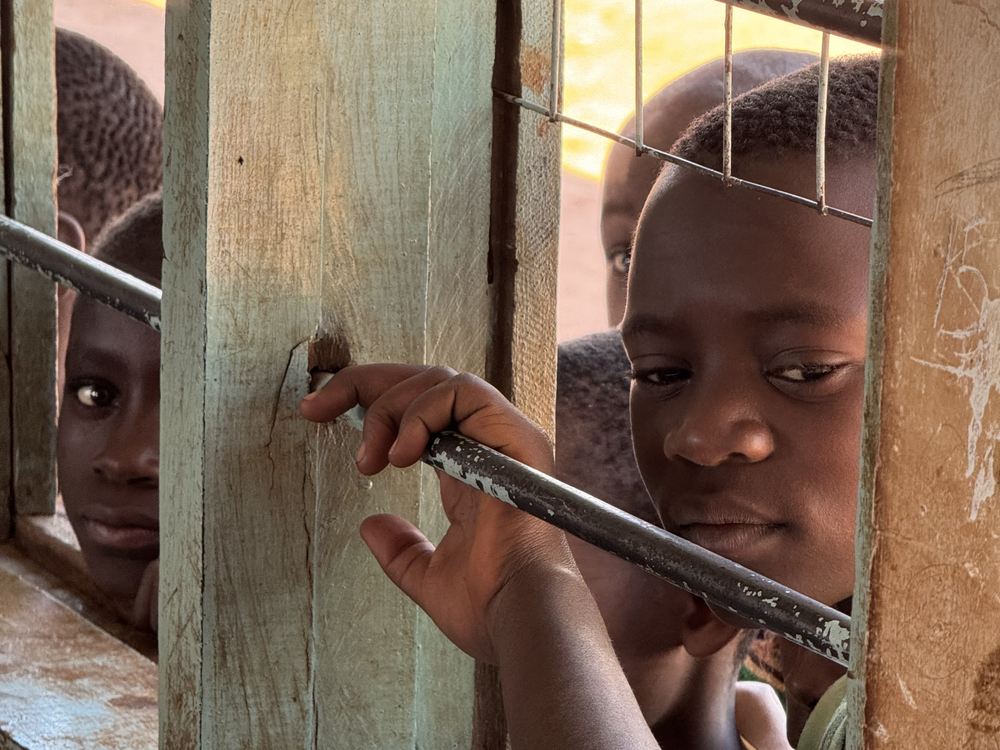
Pupils took turns at the board to try out the new words, and children who could not find a seat followed the lesson through the classroom windows.

Volunteer teacher Ms Lan at the blackboard beside her teaching assistant in a hard hat and safety vest
Volunteer teacher Ms Lan with teaching assistant Mrs Dorice, 2 October 2026

Watch the first lesson

A 1½-minute film by the volunteer team, with subtitles in Chinese, English and Swahili. Part of the lesson was a short animation on how a hydropower station works: water turns the turbine, the turbine drives the generator, and the generator makes electricity.

Sport

Football, the language everyone speaks

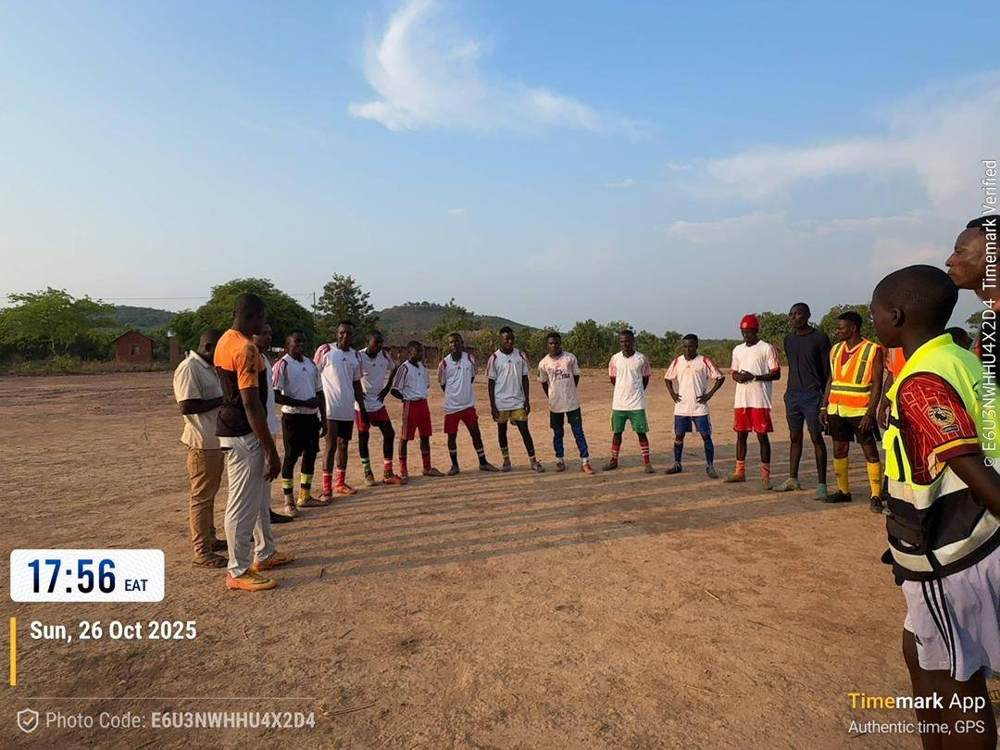
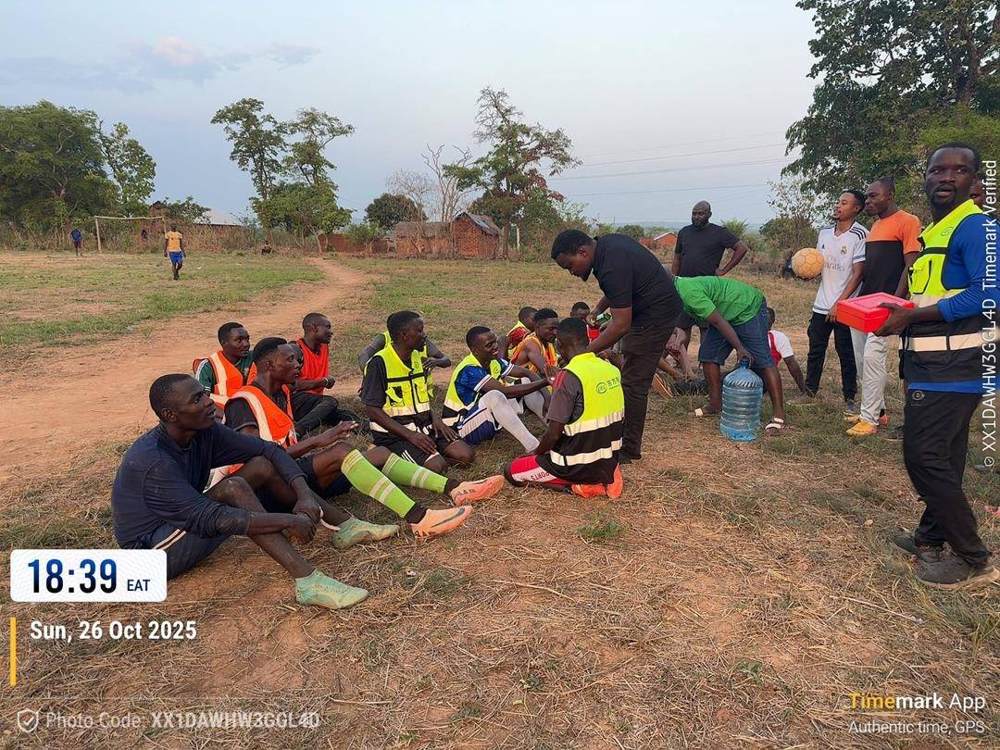
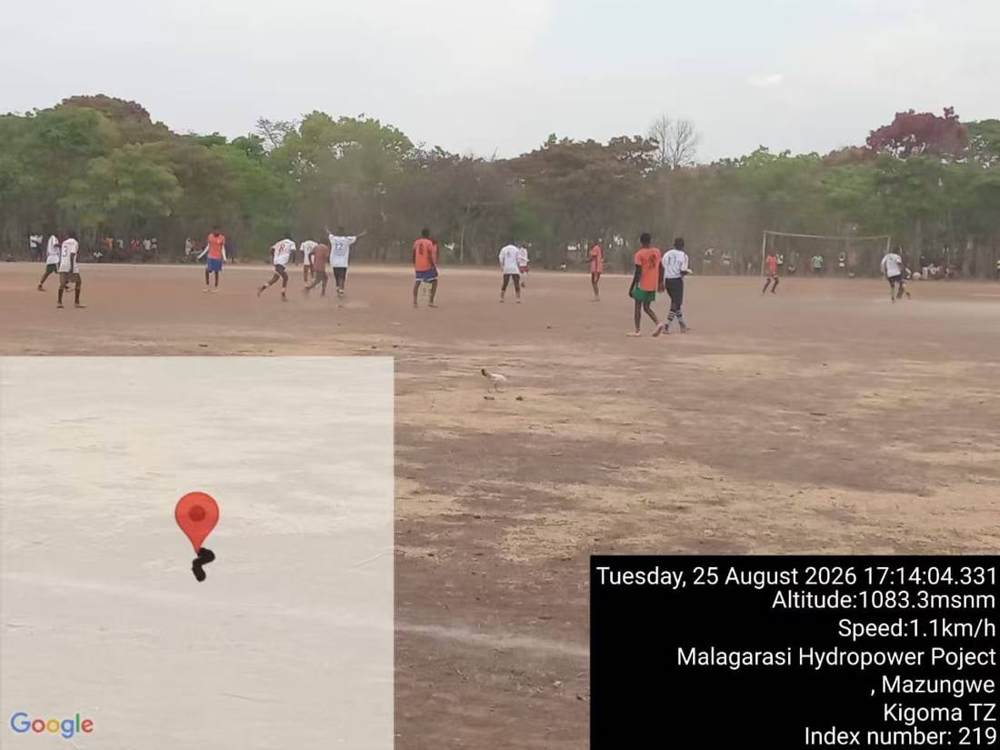
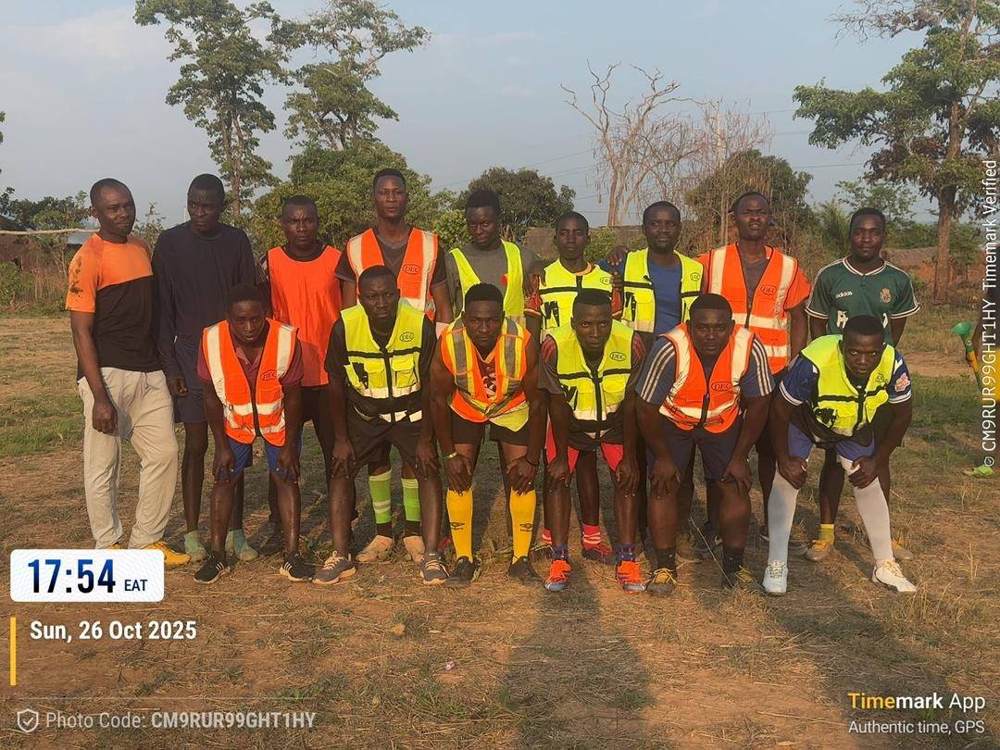
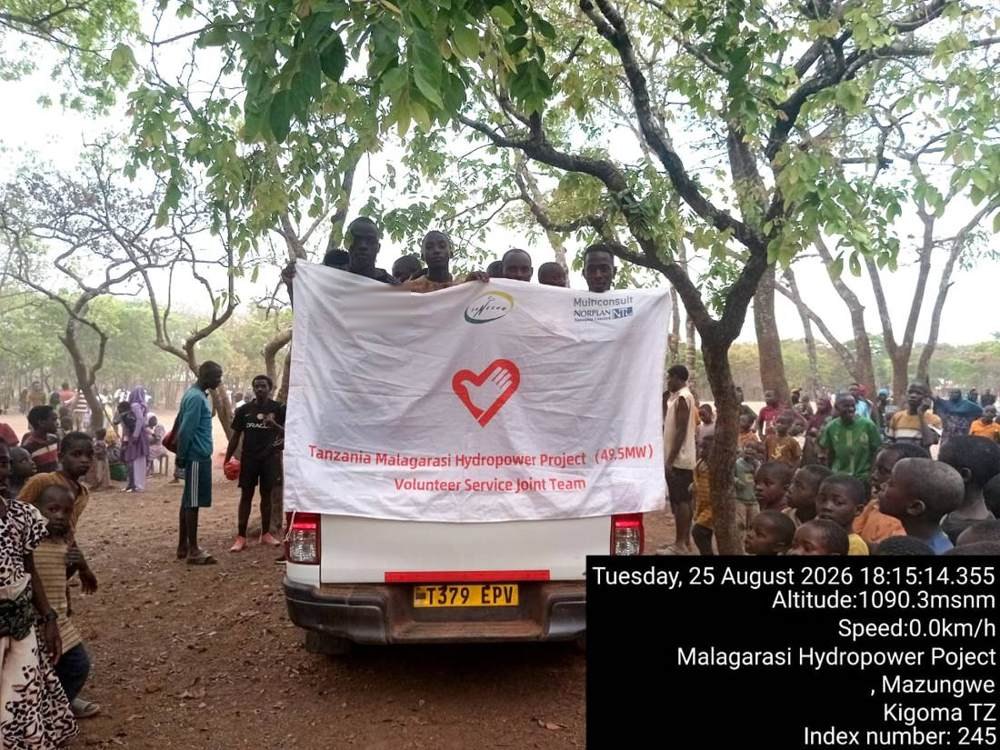
On 26 October 2025 the project staff team played a friendly match against the Igamba community team on the village pitch. A large crowd turned out, the project team edged it 1–0, and both sides stayed on afterwards to talk. The match has since become a fixture of community life: on 25 August 2026 the project again provided vehicles to carry the Igamba village team to their match, with the project's volunteer service team travelling with them. The project has donated footballs to local schools and intends to keep supplying basic kit, boots and balls, and to make the friendly a regular event.

Local jobs

Keeping the work, and the skills, in Kigoma

Recruitment gives first preference to residents of Igamba, Mazungwe and Kazuramimba, with vacancies advertised through village leaders so the process is open and fair. As at 4 October 2026, 346 Tanzanian employees were working on site alongside 95 Chinese staff — nearly four in five of the whole workforce. Every one of them holds a contract under Tanzanian labour law, and contributions to the National Social Security Fund (NSSF) and Workers Compensation Fund (WCF) are paid in full. In 2025 the project invited the mining and construction workers' union TAMICO to brief employees on their rights.

The Tanzanian workforce stood at around 220 at the civil-works peak at the end of 2025 and has grown to 346 as the main works accelerate through 2026. When Tanzania raised the construction-sector minimum wage from TZS 420,000 to TZS 515,000 a month in January 2026, the project applied the new rate immediately. Local workers receive induction, daily toolbox talks and trade-specific training, and hold Tanzanian licences for blasting, electrical, welding, lifting and plant operation.

Tanzanian employees
346
Chinese staff
95

Workforce on site, 4 October 2026: 346 Tanzanian employees and 95 Chinese staff, 441 in total — 78% local.

100% contracted

All 346 Tanzanian employees hold written contracts; NSSF and WCF paid in full.

Fair pay

New statutory minimum of TZS 515,000/month applied from January 2026.

A birthday among colleagues

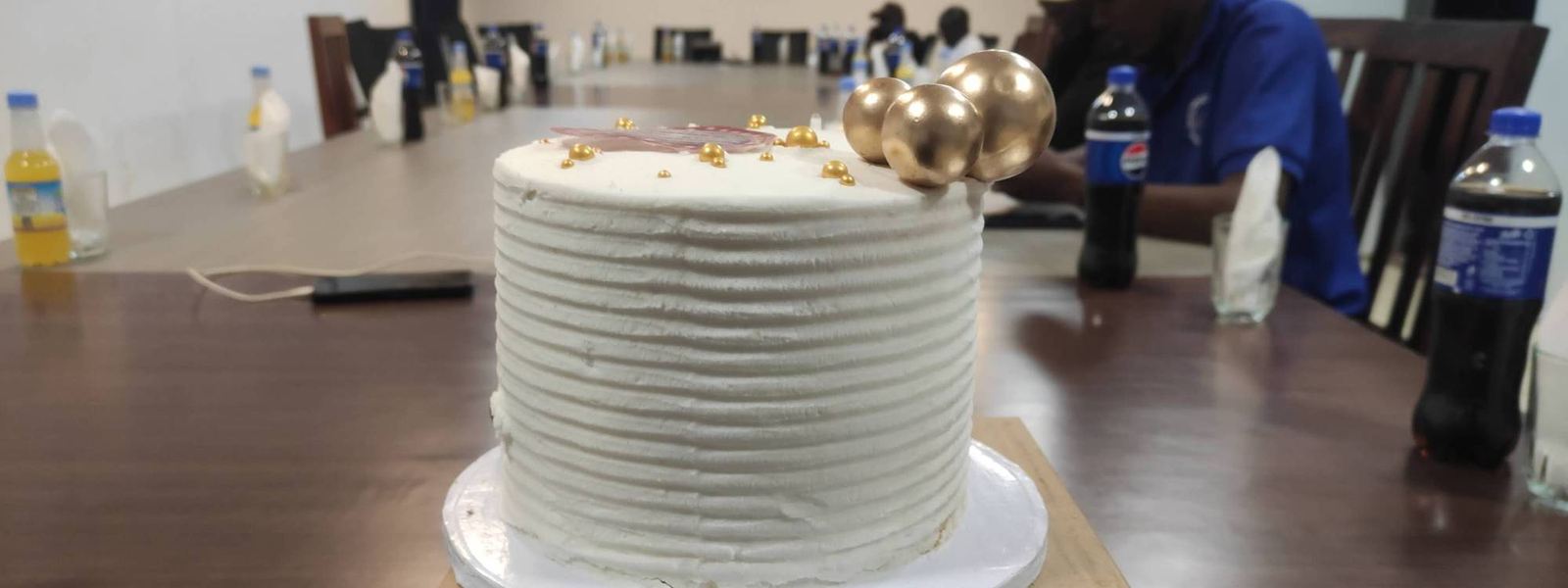
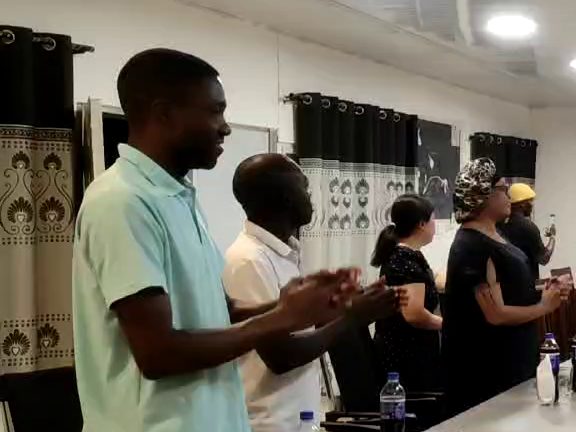
Life on site is not only work. On the evening of 1 October 2026, Tanzanian and Chinese colleagues gathered in the project meeting room to celebrate the birthday of a Tanzanian member of staff, with a cake, cold drinks and a chorus of 'Happy Birthday'.

Community

Being a good neighbour

Listening first

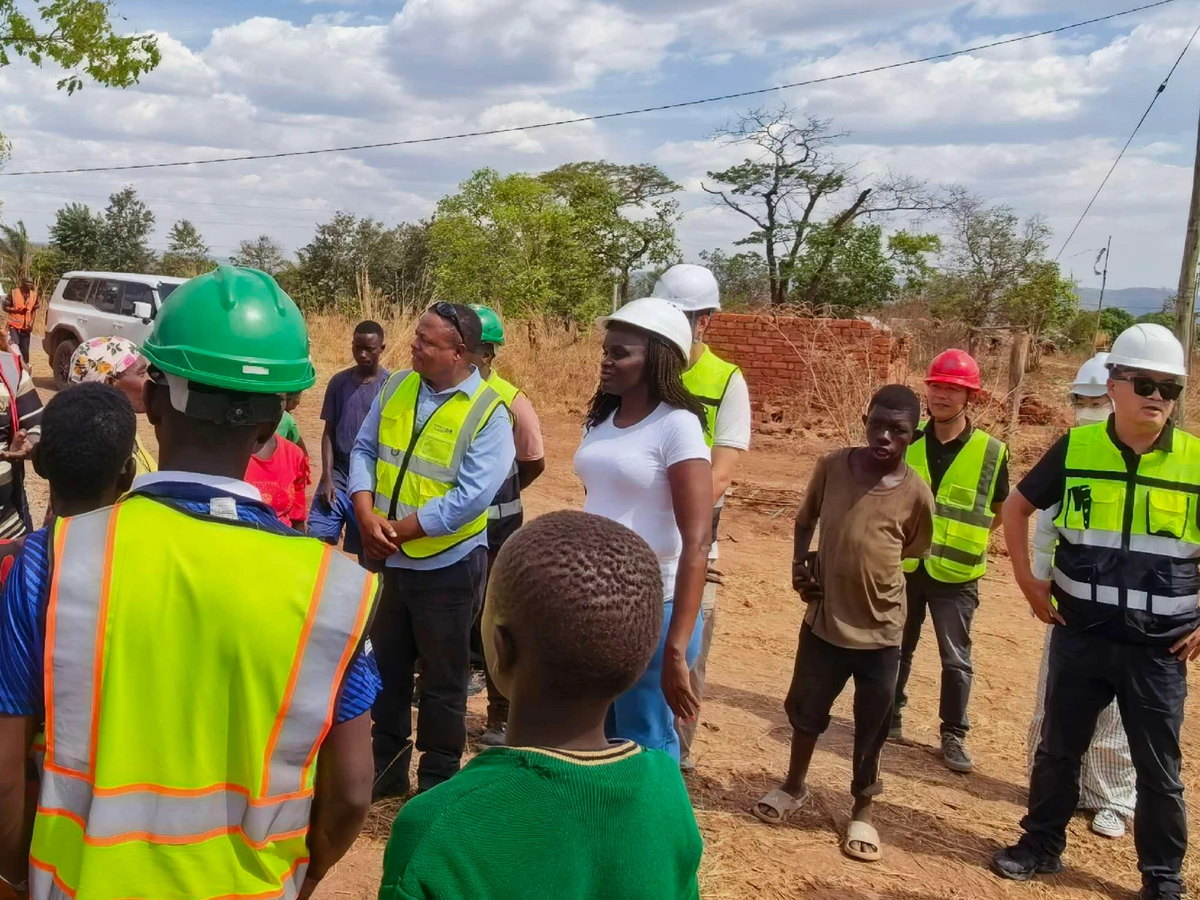
Regular meetings with village leaders and residents: in August 2026 alone, a briefing for Igamba sub-village on the resumption of works, and a session at Mwenge Primary School on child protection and road safety. Blasting is announced door to door beforehand, and a Grievance Redress Committee gives every complaint a formal route.

Health and safety

An on-site clinic with a clinical officer, a nurse and an ambulance; HIV and anti-violence awareness sessions for the community; and, when Ebola risk rose in Kigoma Region, thermometers, disinfectant and protective supplies plus doctor-led briefings in Chinese, English and Swahili.

Roads, dust and fire

Strict speed limits and a dedicated water truck keep dust down where haul roads pass through villages. In the dry season, teams visit villages to talk about fire safety and cut firebreaks around the camp and fuel stores.

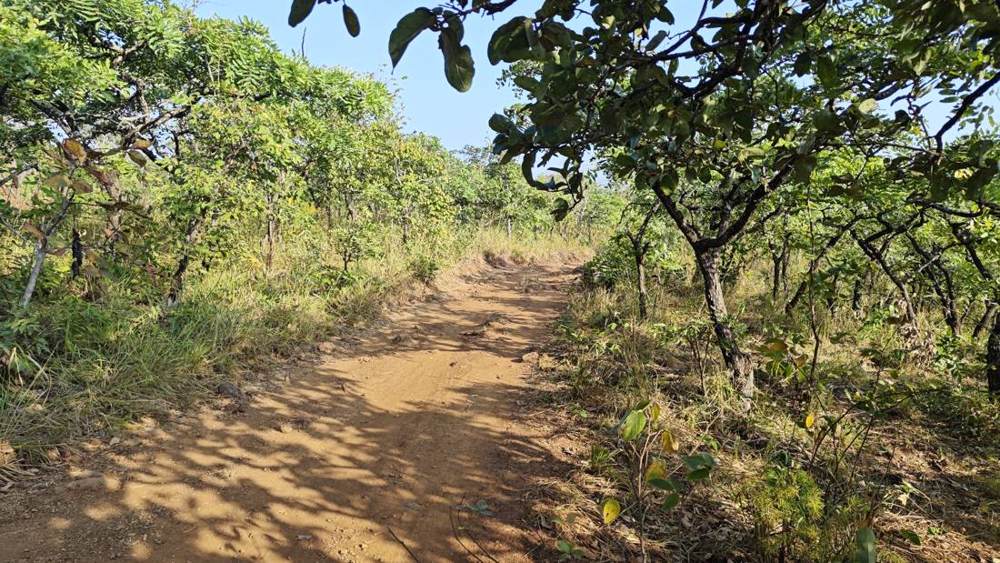
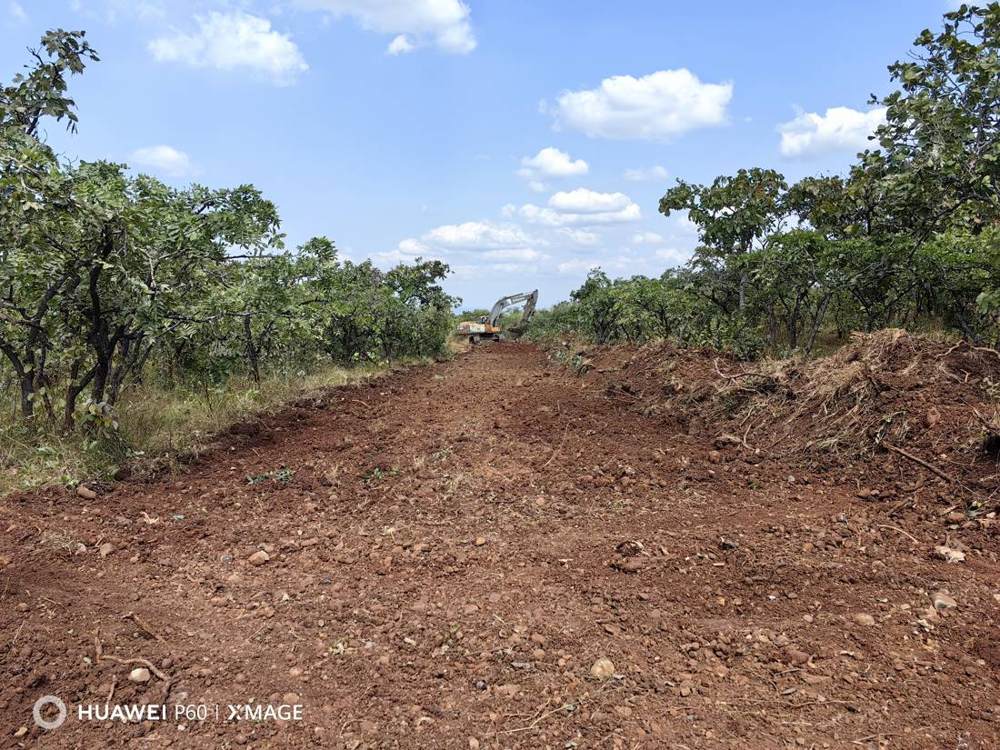
The road itself has changed too. In May 2024 the project put excavators and graders onto the village track linking the surrounding hamlets to the project area, clearing, widening and levelling what had been a narrow, rutted path through the bush. Getting to the clinic, the market and the fields is now a far easier journey.

BeforeNarrow rutted track through bush before improvement
Narrow, rutted village track, May 2024
AfterWide graded red-earth road after improvement
Widened and levelled road, May 2024
Local economy

Value that stays in Tanzania

The community borehole was drilled by a Tanzanian contractor. Diesel, cement, timber and aggregates for the works are bought largely from local suppliers; the roofing and fit-out of the owner's camp are carried out by Tanzanian subcontractors; and solid waste is collected and disposed of by a licensed local company. The project withholds and remits employees' income tax (PAYE), pays NSSF and WCF contributions, and pays water-abstraction and other statutory fees to the Tanzanian authorities.

The steady wages of more than 190 local employees flow directly into household spending in the surrounding villages, and transport, catering and rental services along the project road have grown with the works. As the main works accelerate through 2026, that effect will only increase.

Local contractors

Borehole drilling, camp roofing and fit-out, and waste management all delivered by Tanzanian firms.

Local supply chain

Fuel, cement, timber and aggregates sourced in Tanzania wherever available.

Taxes and social contributions

PAYE, NSSF, WCF and statutory permit fees paid in full.