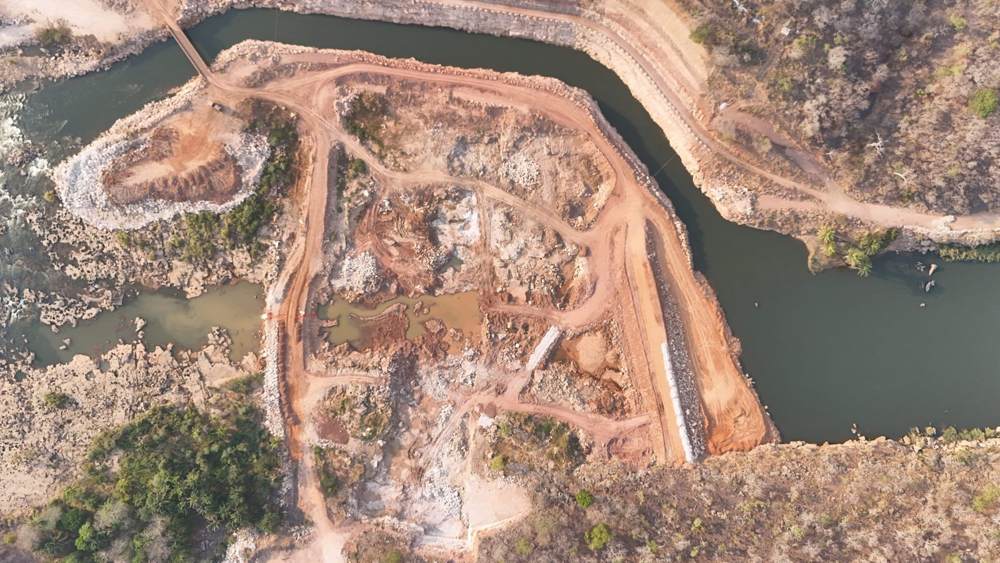
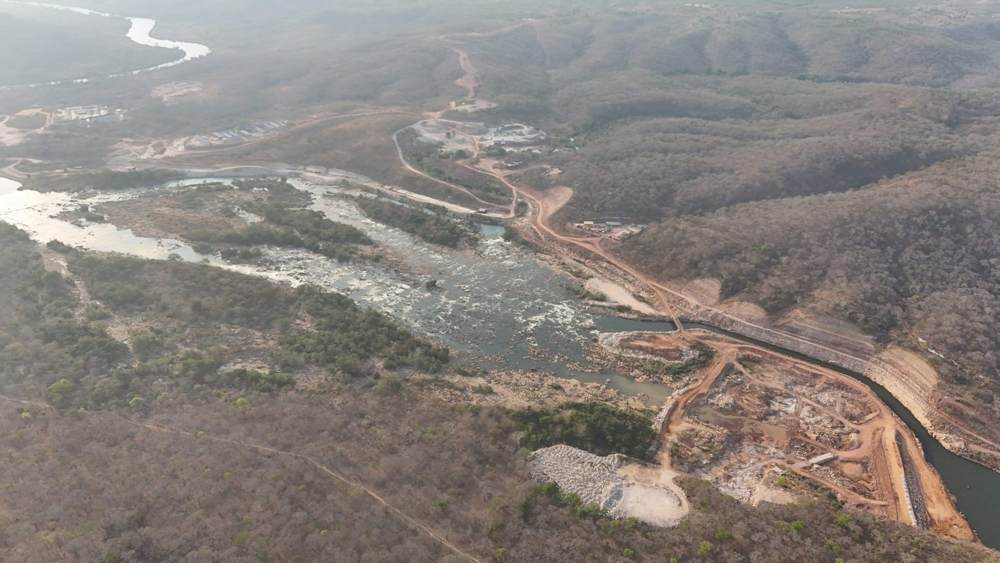
A 49.5 MW run-of-river hydropower plant being designed, built and commissioned for TANESCO, with financing from the African Development Bank. When complete it will bring reliable grid electricity to western Tanzania.
From the river at Igamba Falls to the 132 kV grid connection: how the scheme makes power, what is being built on the four work fronts, and what the project is doing with the villages around the site.
The Malagarasi Hydropower Project (MHPP) harnesses the Malagarasi River at Igamba Falls in Uvinza District, Kigoma Region. Under an EPC contract signed on 8 February 2024, the Lot 1 works cover the design, supply, installation, testing and commissioning of the 49.5 MW plant. The Employer is the Tanzania Electric Supply Company Limited (TANESCO); the Employer's Representative is the Multiconsult Norge AS / Norplan joint venture; and the project is financed by the African Development Bank.
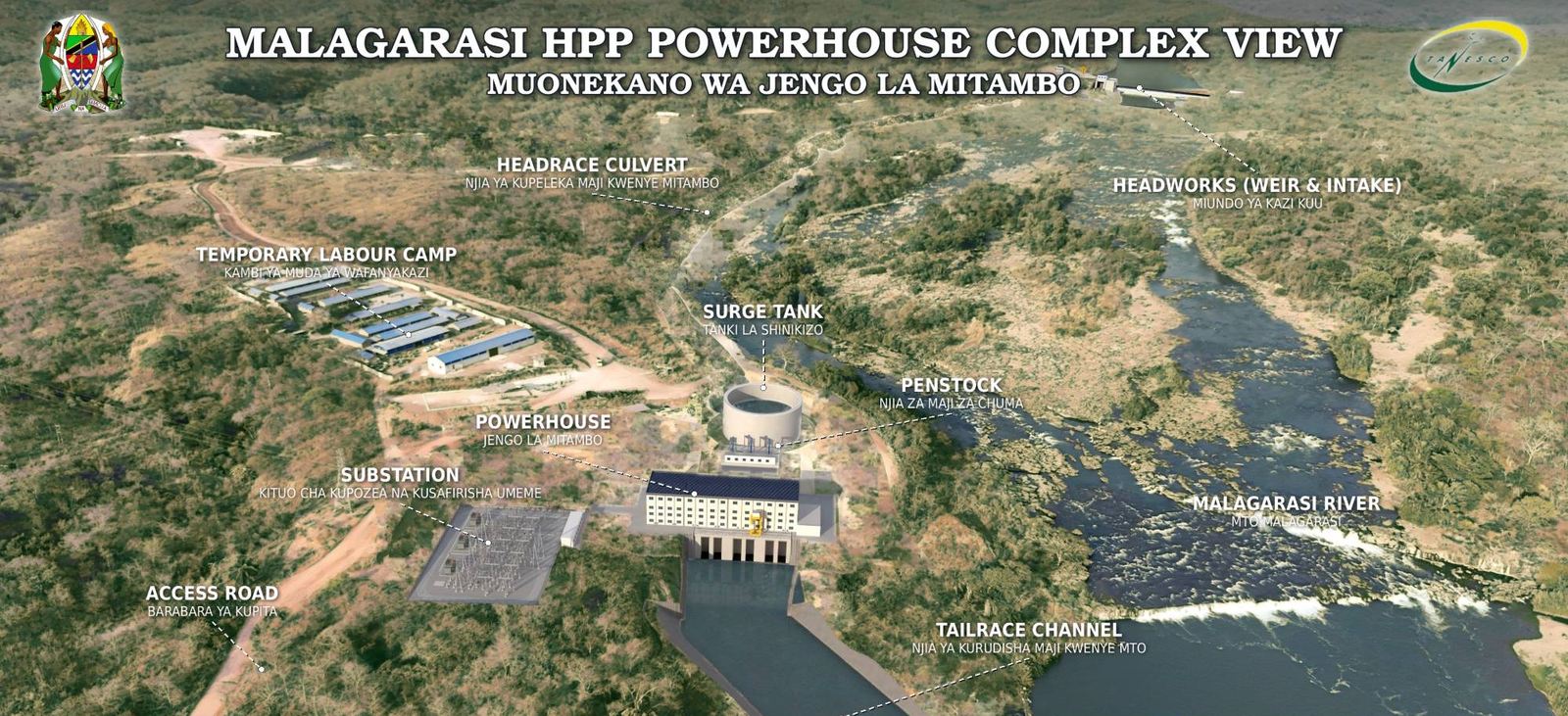
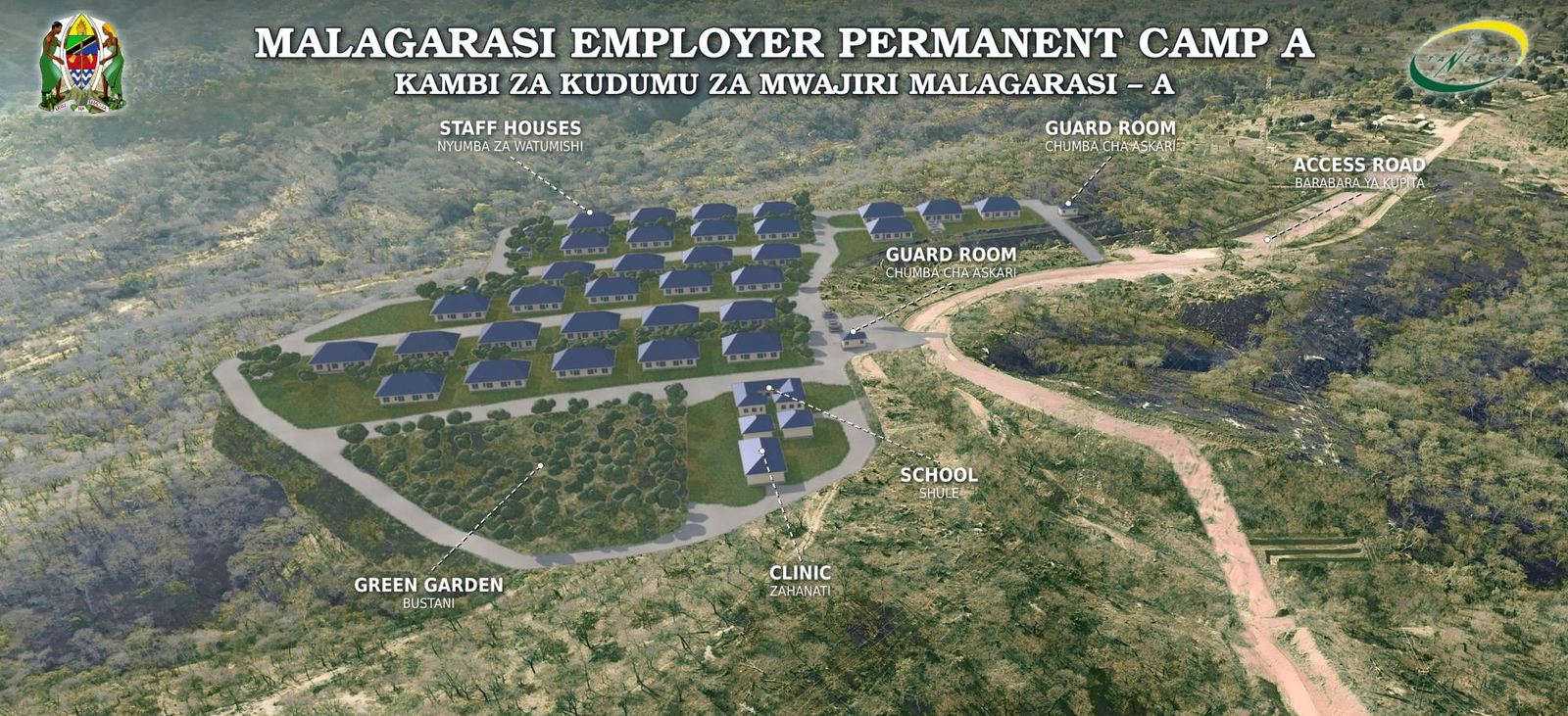
The scheme is a diversion-type development. Water is taken at a headworks on the river, carried about 1.5 km through a reinforced-concrete box culvert to a surge shaft, and dropped through a steel penstock to a powerhouse with three 16.5 MW units. The tailrace returns the water to the Malagarasi, and a switchyard delivers the output to the regional grid at 132 kV. Permanent works also include the access road, a permanent camp and the full electro-mechanical package.
Dam, spillway, intake and sand-flushing channel
≈1.5 km reinforced-concrete box culvert
Balances pressure between culvert and penstock
Steel penstock to the turbines
3 × 16.5 MW units, tailrace, switchyard and 132 kV connection
The powerhouse holds three identical 16.5 MW vertical Francis units. Follow the water through one of them, or take it apart to see its main components.
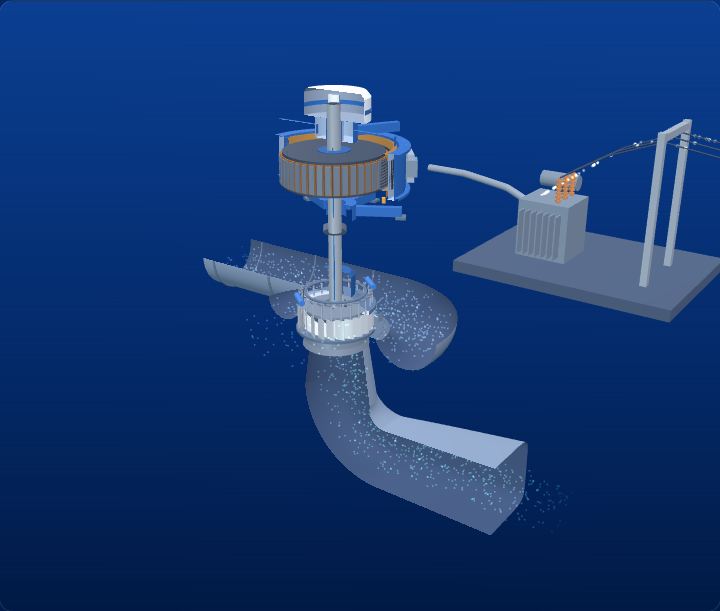
Each unit is a vertical Francis turbine coupled directly to a generator above it.
Select a component in the model or in the list.
Schematic illustration of one unit; proportions simplified.



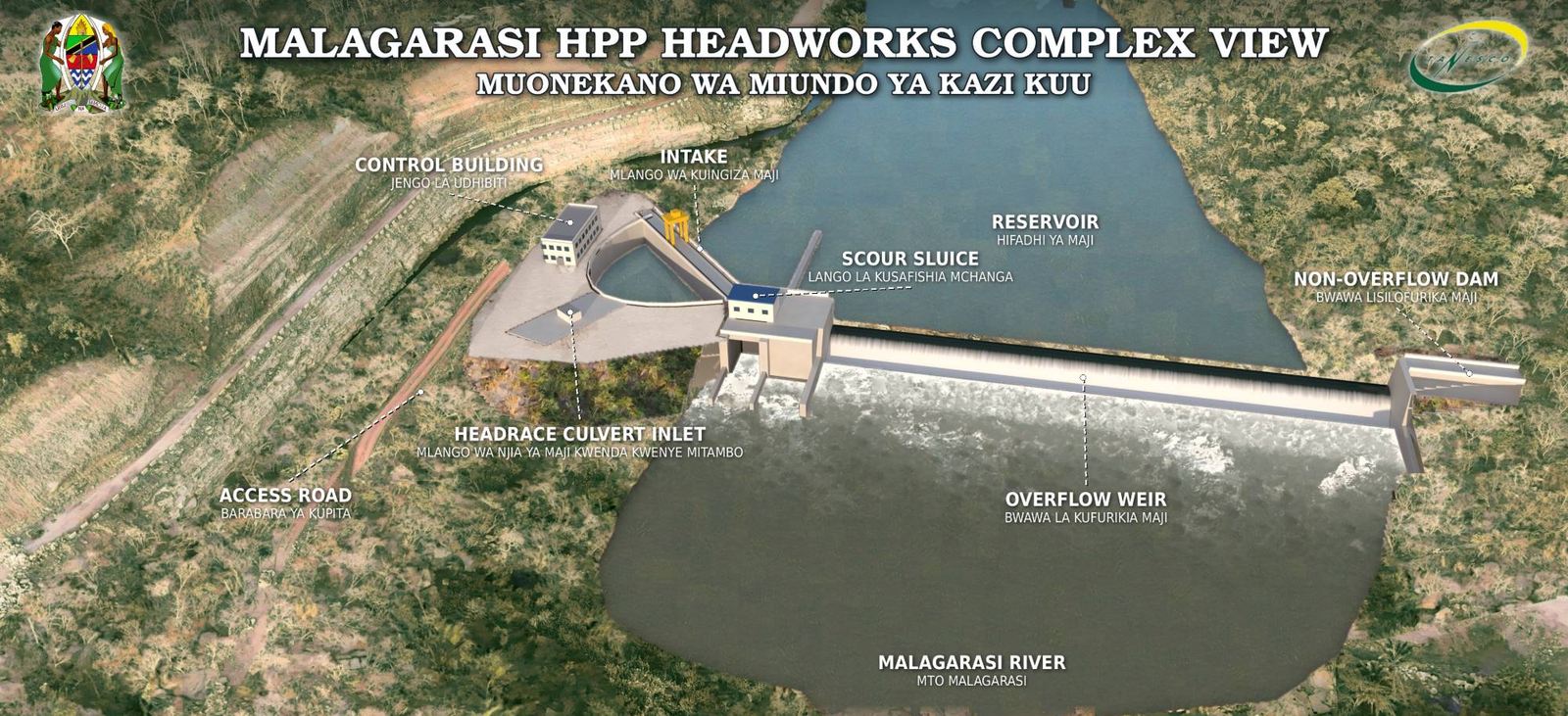
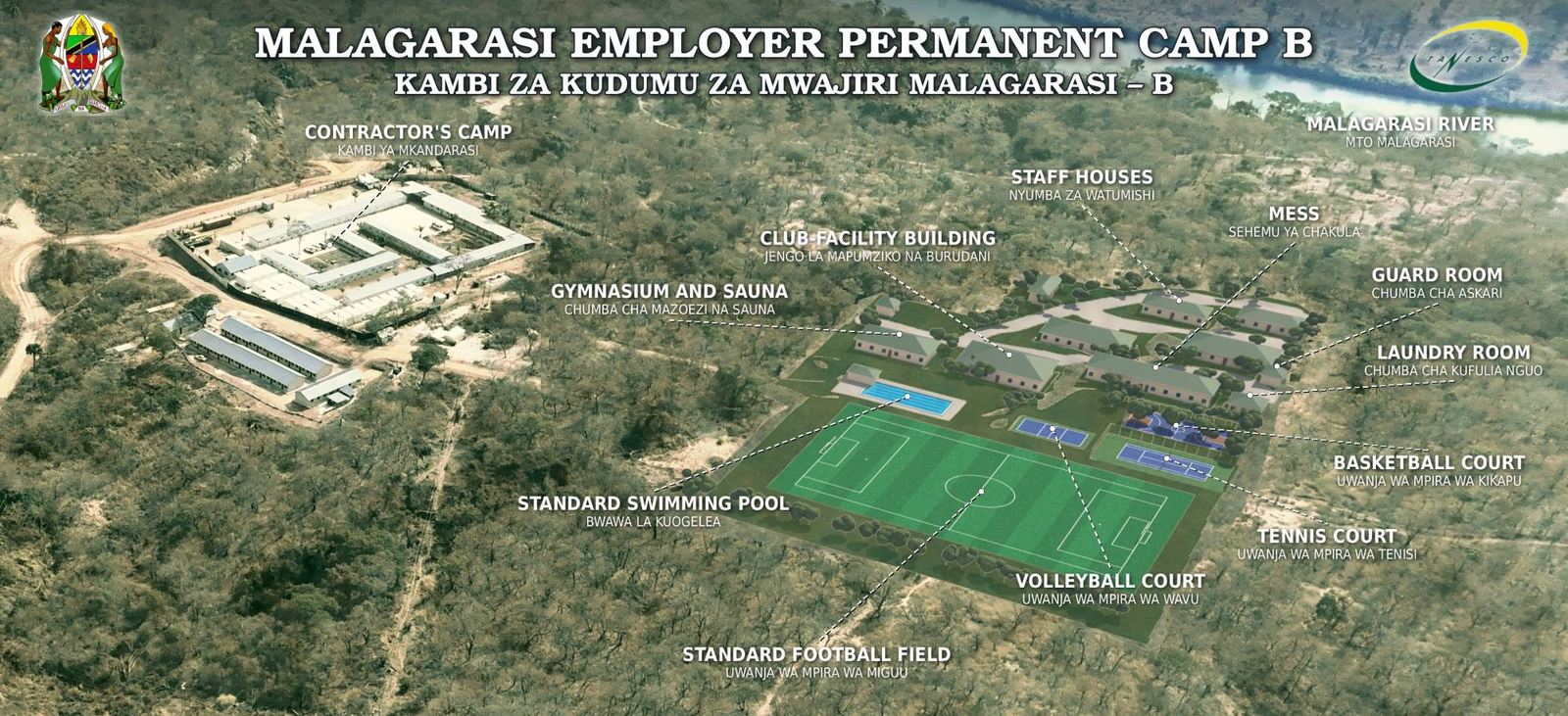
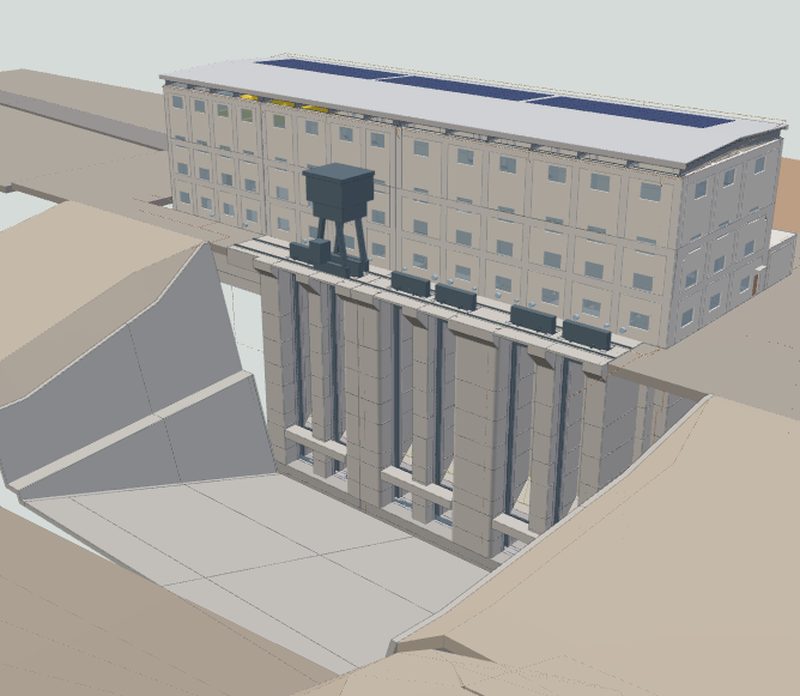
The renderings below show the plant as it will look once the works are finished.


Milestones since contract signature and the state of each work front.
Open
Aerial and ground photographs of the headworks, culvert, powerhouse and camps.
Open
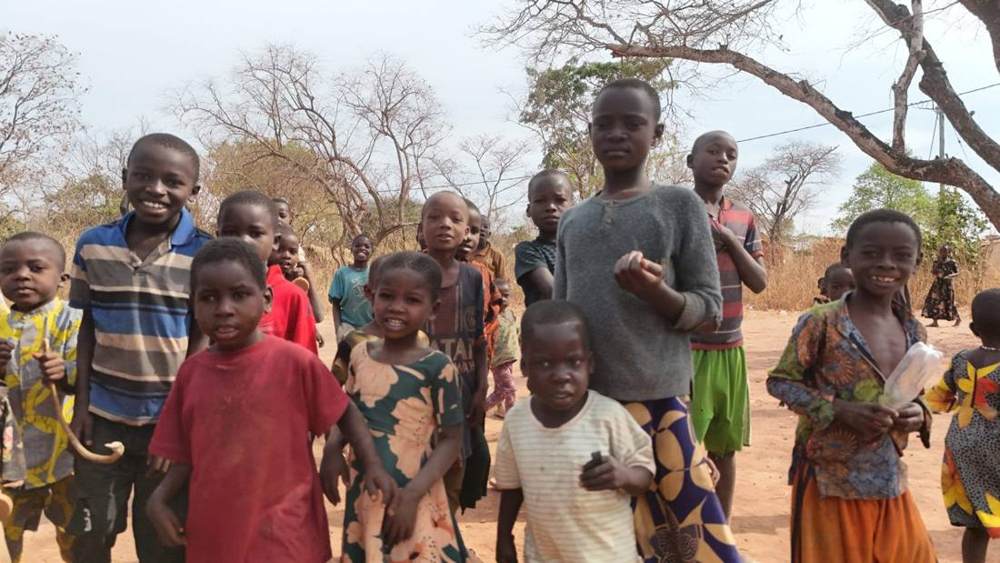
Clean water, classrooms, roads, football and local jobs for the villages around the site.
Open